


 English
 русский
 Español
 عربى
عربى 中文简体
中文简体- The Environmental Challenges Facing Traditional Oil Immersed Power Transformer Systems
- What Is Natural Ester Insulating Oil?
- How Natural Ester Oil Improves the Environmental Performance of Oil Immersed Power Transformer
- Performance Comparison: Natural Ester Oil vs Mineral Oil
- Applications Benefiting Most from Natural Ester-Filled Oil Immersed Power Transformer
- Economic and Lifecycle Considerations
- Frequently Asked Questions (FAQ)
- Is natural ester oil compatible with existing Oil Immersed Power Transformer designs?
- Does natural ester oil affect transformer efficiency?
- How does natural ester oil perform in cold climates?
- Is maintenance different compared to mineral oil?
- Does using natural ester oil help meet environmental regulations?
- The Future of Environmentally Responsible Oil Immersed Power Transformer Technology
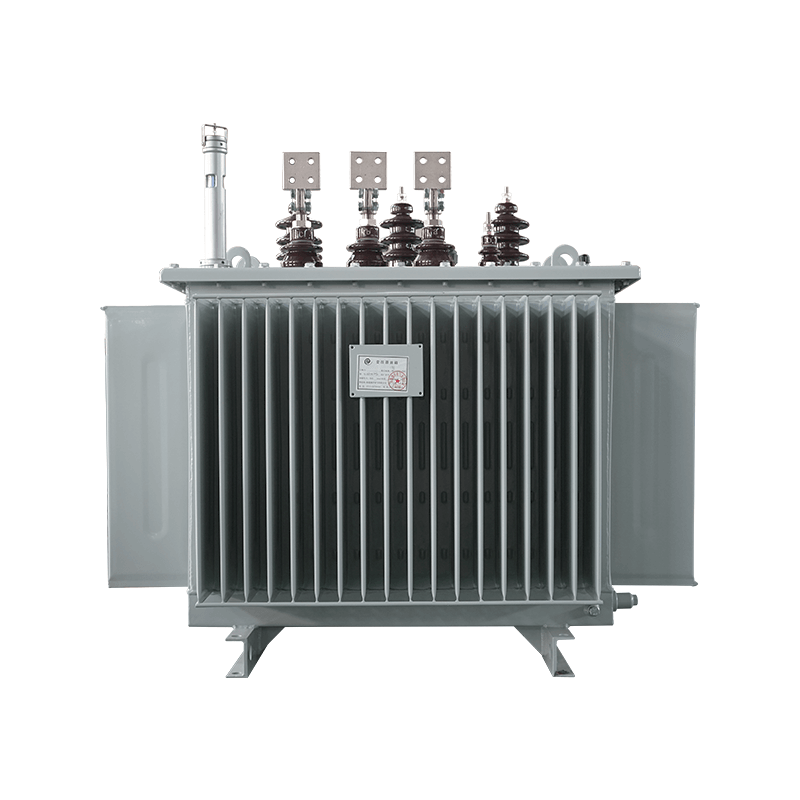
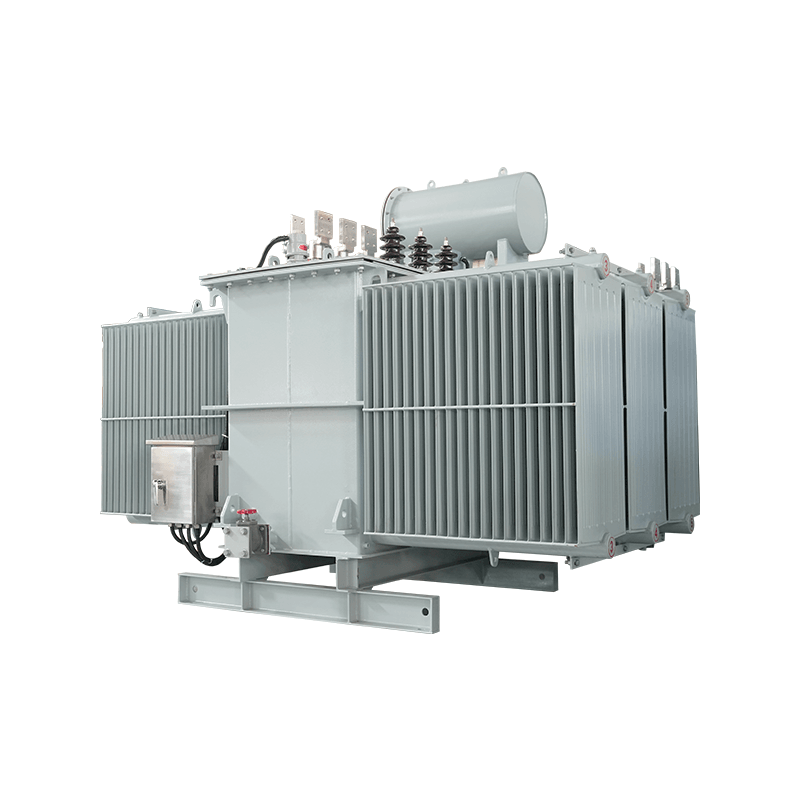
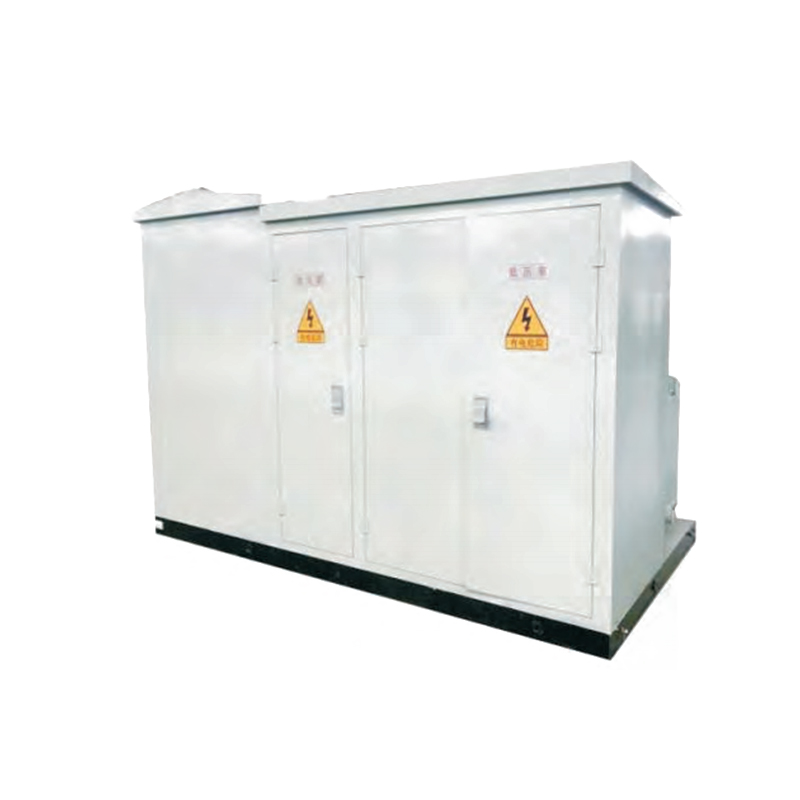
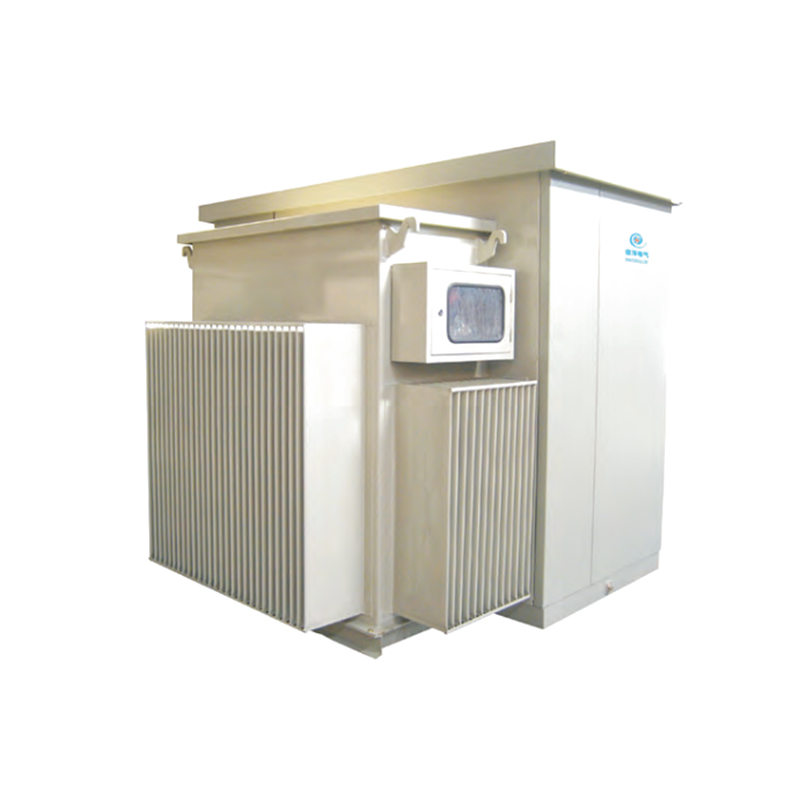
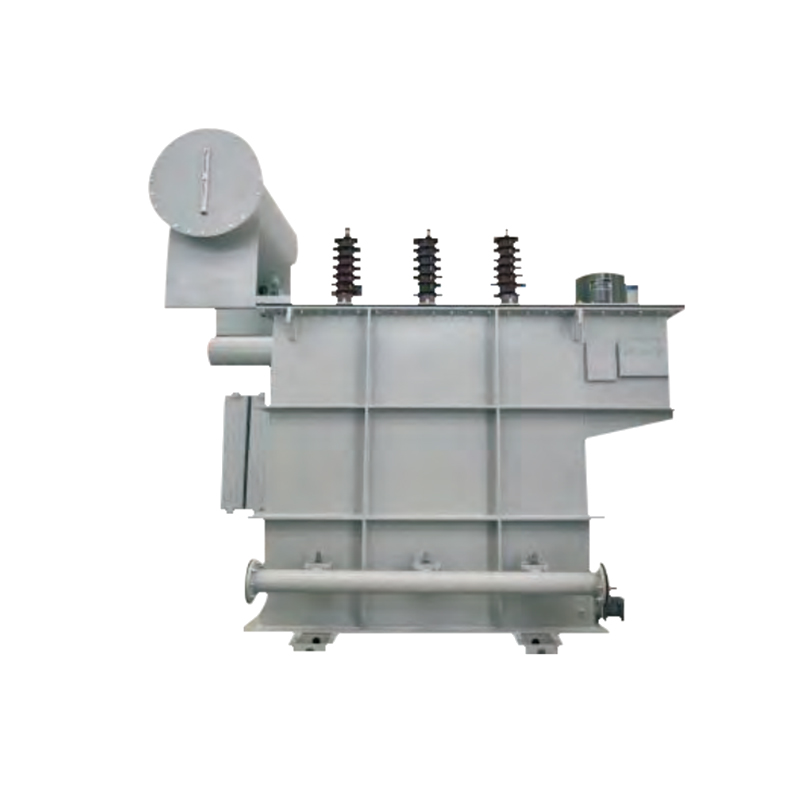
As global energy systems accelerate toward sustainability and carbon reduction, environmental performance has become a critical benchmark in transformer design and operation. In this context, natural ester insulating oil is rapidly emerging as a preferred alternative to traditional mineral oil, offering significant ecological, safety, and performance advantages for the Oil Immersed Power Transformer.
From renewable power integration to urban grid upgrades, utilities and industrial users are increasingly re-evaluating insulation materials. Natural ester fluids, derived from renewable vegetable sources, are redefining how oil-immersed equipment aligns with modern environmental regulations and sustainability goals.
The Environmental Challenges Facing Traditional Oil Immersed Power Transformer Systems
Conventional mineral oil has been the dominant insulating medium in the Oil Immersed Power Transformer for decades. While proven and cost-effective, it presents several environmental and safety challenges that are becoming harder to ignore.
Low Biodegradability and Environmental Risk
Mineral oil is petroleum-based and exhibits poor biodegradability. In the event of leaks, spills, or tank ruptures, contamination of soil and groundwater can persist for years, increasing remediation costs and environmental liabilities.
Fire and Explosion Hazards
The relatively low fire and flash points of mineral oil increase the fire risk in substations, particularly in densely populated urban areas or industrial facilities. These risks often require additional fire protection systems, increasing infrastructure complexity.
Regulatory and ESG Pressure
Environmental regulations and ESG (Environmental, Social, and Governance) frameworks are tightening worldwide. Operators of Oil Immersed Power Transformer installations face growing pressure to adopt materials with lower environmental impact and improved safety profiles.
What Is Natural Ester Insulating Oil?
Natural ester insulating oil is produced from refined vegetable oils such as soybean, rapeseed, or sunflower oil. Unlike mineral oil, natural esters are derived from renewable resources and are engineered specifically for electrical insulation and thermal management.
Key Physical and Chemical Characteristics
- Biodegradability:Over 95% biodegradable within a short period
- High Fire Point:Typically above 300°C
- Excellent Moisture Tolerance:Strong affinity for water without dielectric degradation
- Oxidation Stability:Improved formulations ensure long service life
How Natural Ester Oil Improves the Environmental Performance of Oil Immersed Power Transformer
Superior Biodegradability and Reduced Environmental Impact
One of the most significant advantages of natural ester oil is its rapid biodegradation. In contrast to mineral oil, which may remain in the environment for decades, natural ester fluids break down naturally, minimizing long-term ecological damage.
For an Oil Immersed Power Transformer installed near water sources, agricultural land, or urban infrastructure, this characteristic dramatically reduces environmental risk and clean-up costs in case of leakage.
Enhanced Fire Safety and Risk Reduction
Natural ester insulating oil has a fire point nearly twice that of mineral oil. This drastically lowers the probability of ignition, making transformers safer for indoor installations, underground substations, and high-density urban grids.
In many cases, this improved fire safety allows operators to reduce or eliminate expensive fire suppression systems, optimizing total project cost.
Extended Insulation Life and Resource Efficiency
The strong moisture absorption capability of natural ester oil protects cellulose insulation by drawing moisture away from solid insulation components. This slows paper aging and significantly extends transformer service life.
By prolonging the lifespan of the Oil Immersed Power Transformer, natural ester oil reduces material consumption, manufacturing emissions, and waste generation over time.
Support for Sustainable Power Infrastructure
Natural ester-filled transformers align well with renewable energy projects such as wind farms, solar power stations, and hydroelectric facilities. Their low environmental footprint supports the sustainability goals of clean energy systems.
Performance Comparison: Natural Ester Oil vs Mineral Oil
|
Performance Aspect |
Natural Ester Oil |
Mineral Oil |
|
Source |
Renewable vegetable-based |
Petroleum-based |
|
Biodegradability |
>95% |
<30% |
|
Fire Point |
>300°C |
~170°C |
|
Environmental Risk |
Very low |
High |
|
Moisture Handling |
Excellent |
Limited |
Applications Benefiting Most from Natural Ester-Filled Oil Immersed Power Transformer
Urban and Indoor Substations
High fire safety and low environmental risk make natural ester oil ideal for transformers installed in commercial buildings, hospitals, and residential areas.
Renewable Energy Projects
Wind and solar facilities often operate in environmentally sensitive regions. Natural ester-based Oil Immersed Power Transformer solutions support compliance with strict ecological standards.
Industrial Facilities with ESG Commitments
Manufacturers aiming to improve ESG ratings increasingly select environmentally responsible transformer insulation systems.
Economic and Lifecycle Considerations
While natural ester oil typically has a higher initial cost than mineral oil, lifecycle analysis often reveals a favorable total cost of ownership.
- Reduced fire protection infrastructure
- Lower environmental remediation costs
- Extended transformer lifespan
- Improved regulatory compliance
These factors make natural ester oil a strategic investment rather than a simple material substitution.
Frequently Asked Questions (FAQ)
Is natural ester oil compatible with existing Oil Immersed Power Transformer designs?
Yes. Many modern transformer designs are compatible with natural ester oil, and retrofilling existing units is feasible with proper evaluation and preparation.
Does natural ester oil affect transformer efficiency?
Natural ester oil offers comparable or improved thermal performance, often enabling higher loading capability without compromising insulation life.
How does natural ester oil perform in cold climates?
Advanced formulations ensure reliable operation in low-temperature environments, though pour point considerations should be evaluated during design.
Is maintenance different compared to mineral oil?
Maintenance practices are largely similar, with additional benefits such as improved moisture management and insulation longevity.
Does using natural ester oil help meet environmental regulations?
Yes. The biodegradable and fire-safe properties of natural ester oil significantly support compliance with environmental and safety standards worldwide.
The Future of Environmentally Responsible Oil Immersed Power Transformer Technology
As power grids evolve to meet sustainability targets, material innovation is playing an increasingly important role. Natural ester insulating oil is no longer a niche solution—it is becoming a mainstream choice for environmentally conscious transformer design.
For operators seeking safer installations, reduced environmental risk, and longer asset life, natural ester-filled Oil Immersed Power Transformer systems represent a forward-looking and responsible path toward a greener power infrastructure.
 Tel:
Tel:
 Email:
 Add:
Add:
