


 English
 русский
 Español
 عربى
عربى 中文简体
中文简体Oil immersed transformers play a critical role in high-voltage power systems, offering several advantages that ensure the smooth and efficient operation of electrical grids. As technology advances, the demand for high-performance power systems continues to rise. Oil-immersed transformers are at the core of this evolution, providing reliable energy transformation across various industries. This article will explore the importance of these transformers in high-voltage systems, their working principles, advantages, and their contribution to energy distribution stability.
The Working Principle of Oil Immersed Transformers
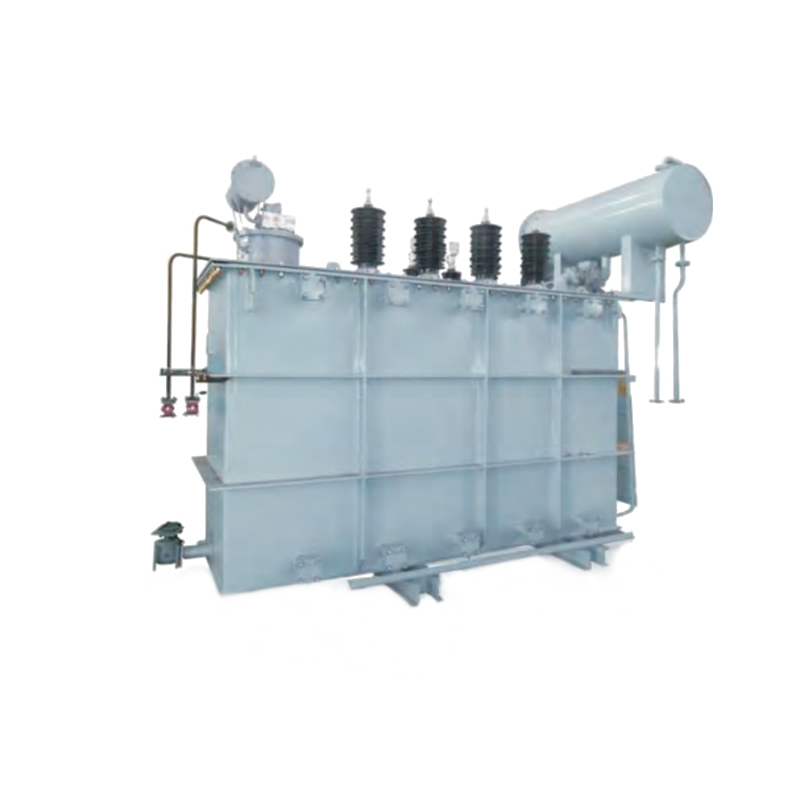
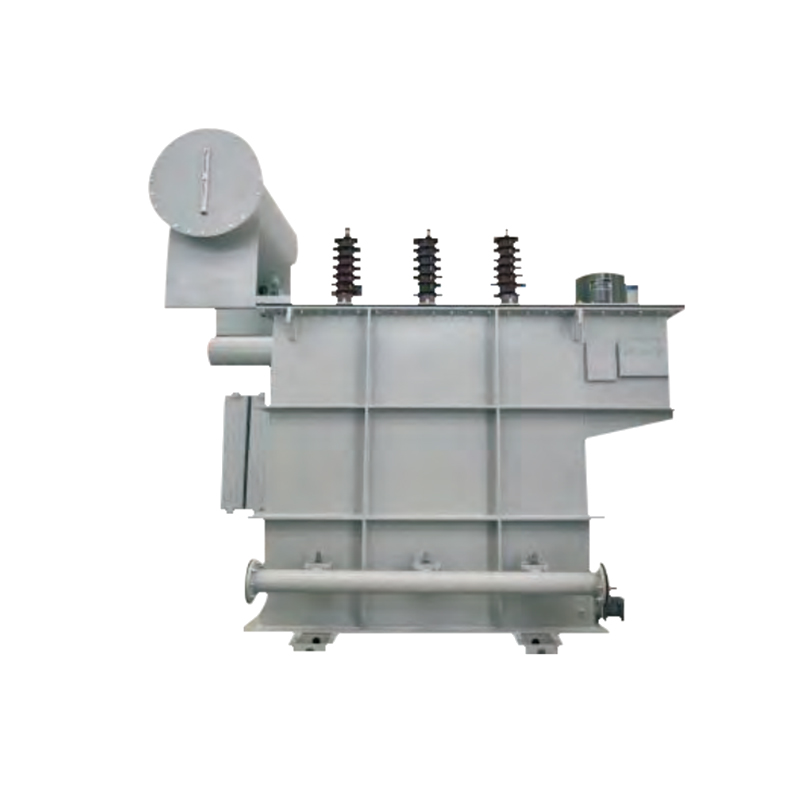
Oil immersed transformers operate by using a mineral oil or synthetic oil as a coolant to manage heat dissipation. The electrical transformer consists of a core and windings, and oil surrounds these components to transfer the heat generated by electrical currents. This oil also helps insulate the transformer, ensuring the safe operation of electrical equipment even at high voltages.
Advantages of Oil Immersed Transformers
- Efficient Cooling: Oil immersion aids in cooling the transformer, as oil has a high heat capacity. This ensures that the transformer can handle high voltage and current loads without overheating.
- Improved Insulation: The oil provides superior insulation properties, reducing the risk of short circuits and electrical failures in high-voltage systems.
- Longer Lifespan: With the added insulation and cooling provided by the oil, these transformers typically have a longer operational lifespan compared to air-cooled or dry transformers.
- Increased Load Capacity: Oil immersed transformers can operate at higher loads due to the enhanced cooling mechanism, making them suitable for demanding power systems.
- Maintenance and Monitoring: Oil immersion allows for easier monitoring of the transformer’s condition. Oil samples can be analyzed for contaminants or degradation, providing insight into potential maintenance needs.
Oil Immersed vs. Dry Transformers: A Comparative Analysis
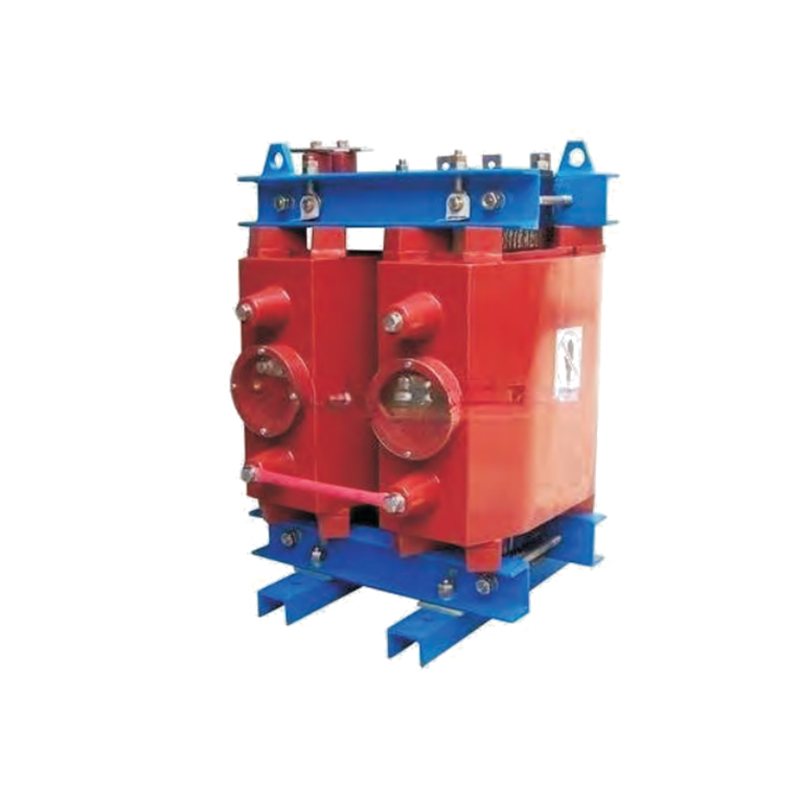
When considering transformer types for high-voltage power systems, oil immersed transformers often come out on top due to their unique benefits. Here’s a quick comparison between oil-immersed and dry transformers:
| Feature | Oil Immersed Transformer | Dry Transformer |
|---|---|---|
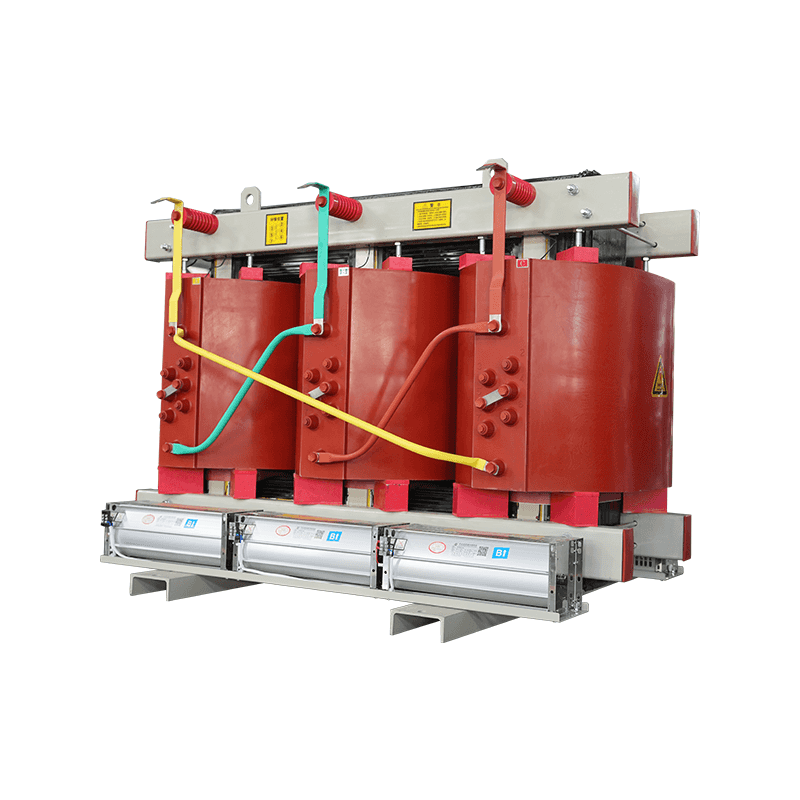
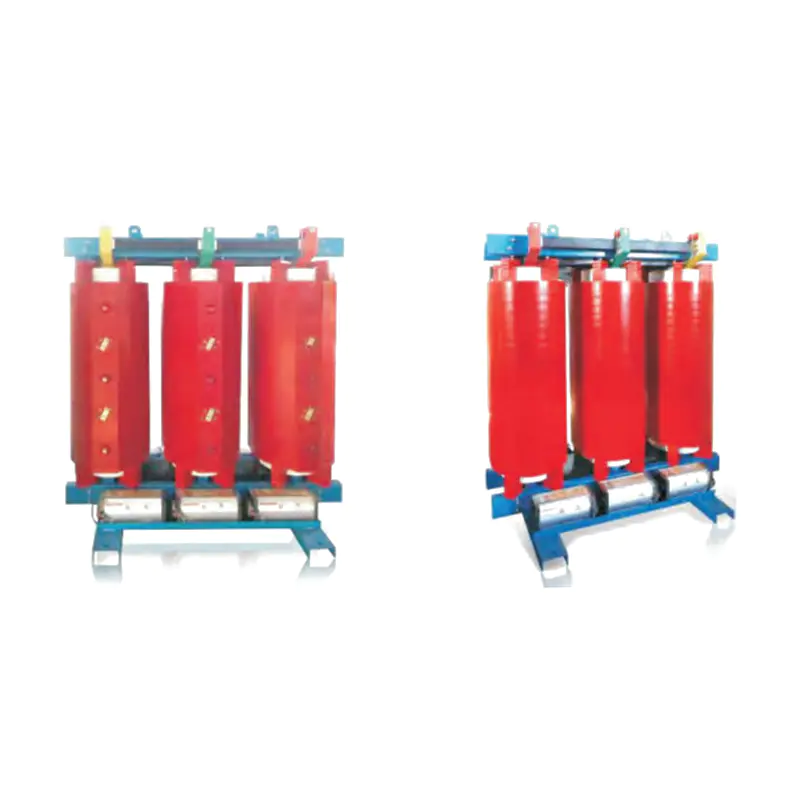
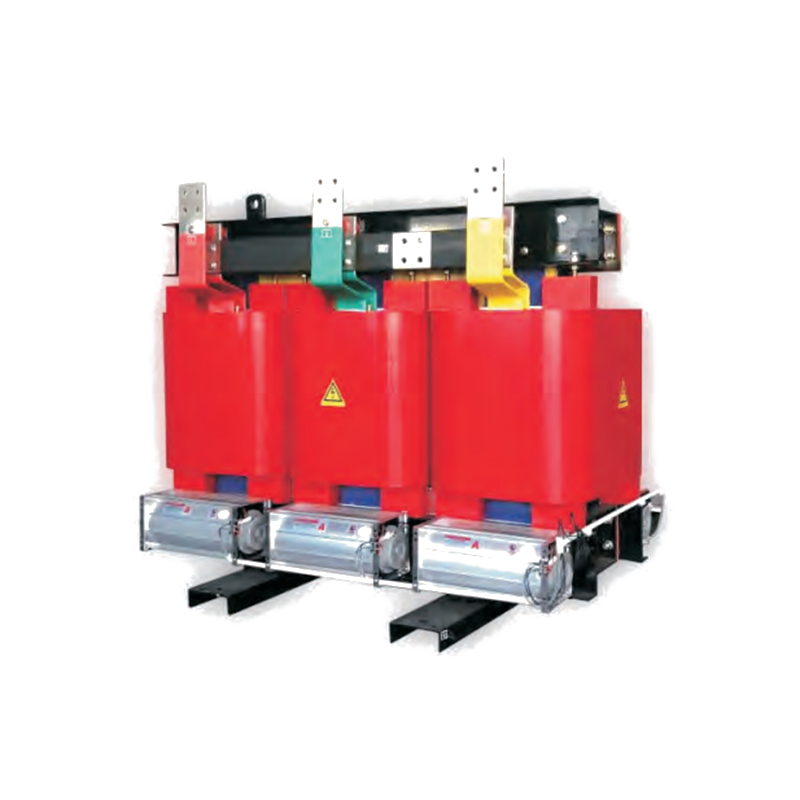
| Cooling Method | Oil immersion for cooling and insulation | Air-cooled, no oil required |
| Maintenance Requirements | Requires regular oil checks and filtration | Low maintenance but needs air circulation checks |
| Lifespan | Longer lifespan due to superior cooling and insulation | Shorter lifespan, prone to overheating |
| Capacity | Can handle higher loads | Limited capacity for high-voltage systems |
| Environmental Sensitivity | Can leak oil if damaged, potentially causing environmental risks | Environmentally safer, no oil leakage concerns |
Applications of Oil Immersed Transformers in High Voltage Systems
Oil immersed transformers are widely used in various sectors due to their exceptional performance in high-voltage environments. Below are some of their key applications:
- Power Stations: Oil immersed transformers are used to step up or step down voltages in power stations, ensuring efficient transmission of electricity over long distances.
- Electricity Distribution Networks: They are an essential component in electricity distribution networks, helping to maintain voltage stability and ensure a steady power supply.
- Renewable Energy Systems: These transformers are also crucial in renewable energy applications, such as wind farms and solar power plants, where high voltage transmission is necessary.
- Industrial Applications: Many industries rely on these transformers to ensure a stable power supply for heavy machinery and large-scale operations.
Frequently Asked Questions (FAQ)
What is the lifespan of an oil immersed transformer?
The lifespan of an oil immersed transformer can vary, but with proper maintenance and monitoring, it can last anywhere from 25 to 40 years. The oil quality and cooling efficiency are key factors in extending its service life.
How often does the oil need to be changed in an oil immersed transformer?
Typically, the oil in an oil immersed transformer does not need to be changed frequently. Instead, regular oil quality testing is performed to check for contamination or degradation. Oil filtration may be required to maintain its insulating properties.
Are oil immersed transformers environmentally safe?
While oil immersed transformers are generally safe, there is a risk of oil leaks if the transformer is damaged. However, modern designs and maintenance practices minimize the risk, and any leaks are usually contained and managed safely.
Conclusion
Oil immersed transformers remain a vital component in high-voltage power systems, offering superior cooling, insulation, and load handling capabilities. Their widespread use in power stations, industrial applications, and renewable energy systems underscores their importance in modern electrical grids. As power demands continue to rise, the role of oil immersed transformers in ensuring the safe and efficient transmission of electricity will only become more critical. Understanding their functionality and benefits is key to appreciating the complexity of high-voltage power systems and their infrastructure.
 Tel:
Tel:
 Email:
 Add:
Add:
