


 English
 русский
 Español
 عربى
عربى 中文简体
中文简体- Maintenance Tips for Oil Immersed Transformers: Keep Your System Running Smoothly
- Understanding Oil Immersed Transformers
- Why Maintenance Is Essential
- Routine Maintenance Practices
- Electrical and Mechanical Maintenance
- Oil Immersed Transformers vs Dry-Type Transformers
- Advanced Maintenance Strategies
- Common Mistakes to Avoid
- Frequently Asked Questions (FAQ)
- Long-Term Benefits of Proper Maintenance
Maintenance Tips for Oil Immersed Transformers: Keep Your System Running Smoothly
Oil Immersed Transformers play a critical role in power generation, transmission, and industrial electrical systems. Known for their excellent cooling performance, long service life, and high reliability, these transformers are widely used in substations, factories, renewable energy projects, and utility grids. However, even the most robust transformer requires proper maintenance to operate safely and efficiently over time.
Effective maintenance not only reduces the risk of unexpected failures but also extends equipment lifespan, improves energy efficiency, and lowers total operating costs. Below is a detailed, structured overview of practical maintenance tips, performance comparisons, and frequently asked questions related to Oil Immersed Transformers.
Understanding Oil Immersed Transformers
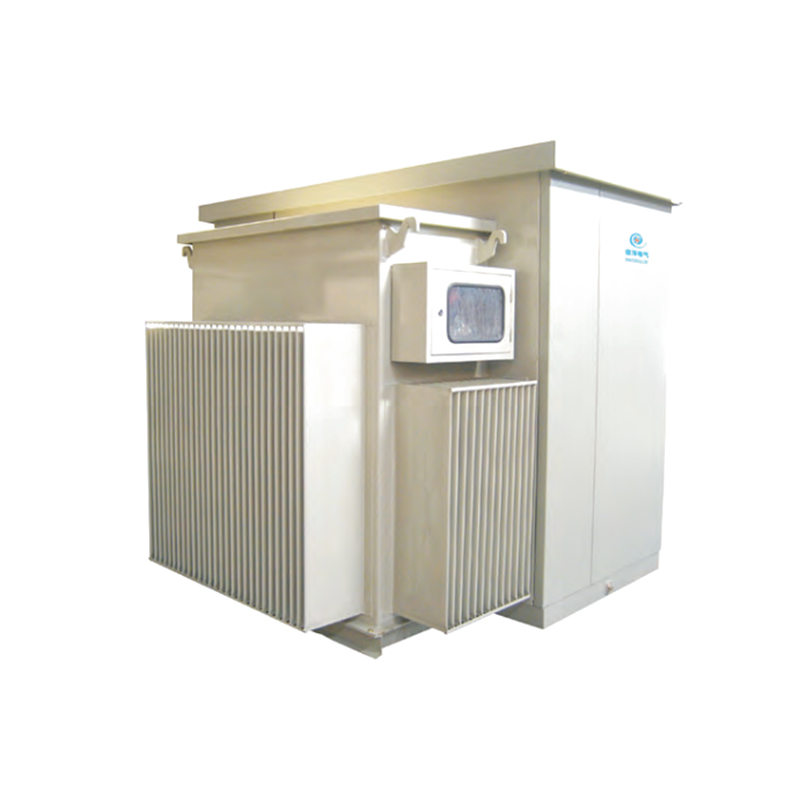
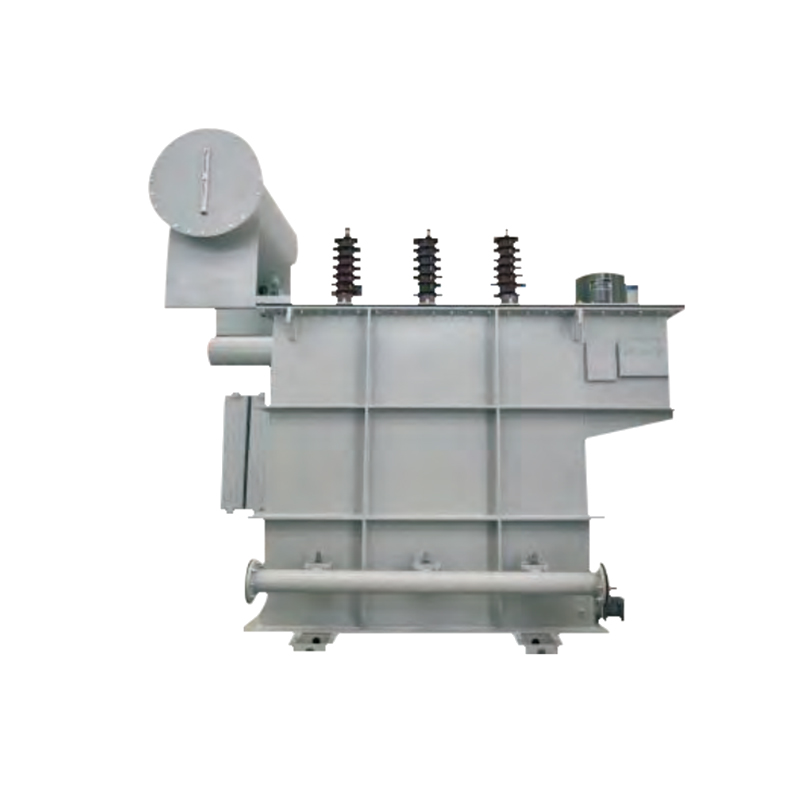
An Oil Immersed Transformer uses insulating oil as both a cooling medium and an electrical insulator. The oil absorbs heat generated by the core and windings, then dissipates it through the tank surface or cooling radiators.
Key Components
- Core and Windings– Responsible for electromagnetic energy transfer
- Transformer Oil– Provides insulation and heat dissipation
- Tank– Sealed or conservator-type enclosure
- Bushings– Insulated terminals for electrical connections
- Cooling System– Radiators, fans, or oil pumps
- Protection Devices– Buchholz relay, pressure relief device, temperature indicators
Each component requires regular inspection to ensure overall system stability.
Why Maintenance Is Essential
Without consistent care, Oil Immersed Transformers can suffer from insulation degradation, oil contamination, overheating, and mechanical stress. These issues may result in:
- Unexpected power outages
- Costly emergency repairs
- Reduced transformer efficiency
- Safety hazards such as oil leakage or fire risk
Preventive maintenance helps identify early warning signs before they escalate into major failures.
Routine Maintenance Practices
1. Transformer Oil Inspection and Testing
The condition of transformer oil directly reflects internal health. Regular oil analysis is one of the most effective maintenance methods for Oil Immersed Transformers.
- Dielectric Strength Test– Measures insulation capability
- Moisture Content– Water reduces insulation performance
- Dissolved Gas Analysis (DGA)– Detects overheating, arcing, or partial discharge
- Acidity Test– Indicates oil oxidation
When oil quality deteriorates, filtration or replacement should be performed promptly.
2. Visual and External Inspection
Routine visual checks help detect obvious problems early.
- Oil leaks around gaskets and valves
- Rust or corrosion on the tank surface
- Abnormal noise or vibration
- Damage to bushings or insulators
Even minor leaks can lead to moisture ingress if left unattended.
3. Temperature Monitoring
Excessive heat accelerates insulation aging. Monitoring temperature indicators ensures the transformer operates within safe limits.
- Top oil temperature
- Winding temperature
- Ambient temperature influence
Abnormal temperature rises may indicate overloading, cooling system failure, or internal faults.
4. Cooling System Maintenance
Oil Immersed Transformers rely heavily on efficient cooling.
- Clean radiator fins to ensure proper heat dissipation
- Check oil circulation paths
- Inspect cooling fans and pumps (if equipped)
A blocked or malfunctioning cooling system can rapidly lead to overheating.
Electrical and Mechanical Maintenance
5. Insulation Resistance Testing
Insulation resistance tests provide insight into the condition of windings and insulation materials.
- Compare results with baseline values
- Monitor trends rather than isolated readings
Gradual decline may signal moisture ingress or insulation aging.
6. Tightness of Electrical Connections
Loose connections increase contact resistance and generate heat.
- Inspect terminals and bus connections
- Check grounding systems
Proper torque values should always be applied.
7. Vibration and Noise Analysis
Unusual sounds may indicate mechanical looseness or core issues.
- Humming louder than normal
- Irregular knocking sounds
Early diagnosis prevents severe mechanical damage.
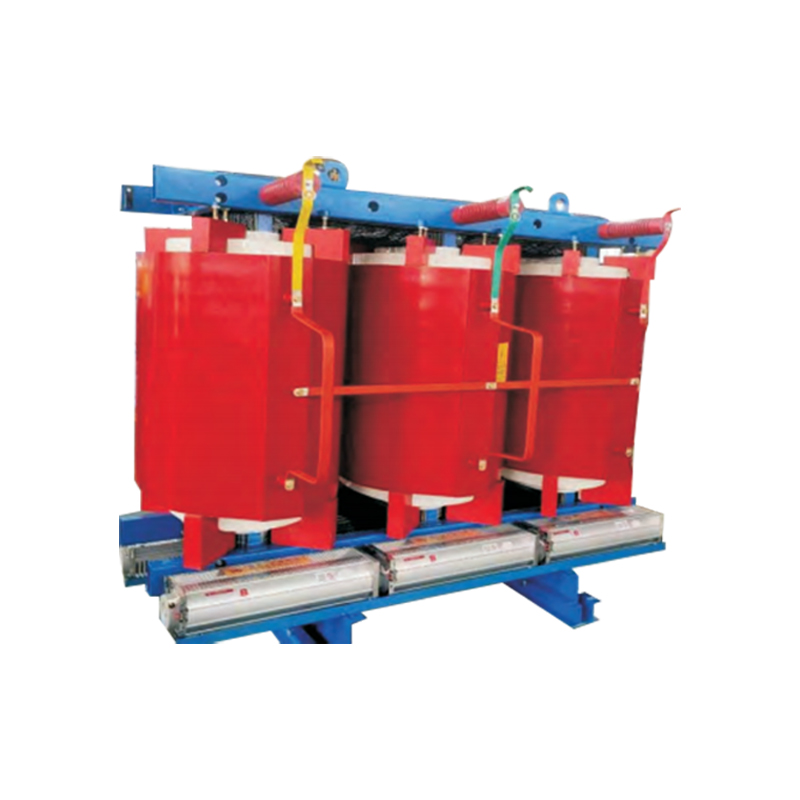
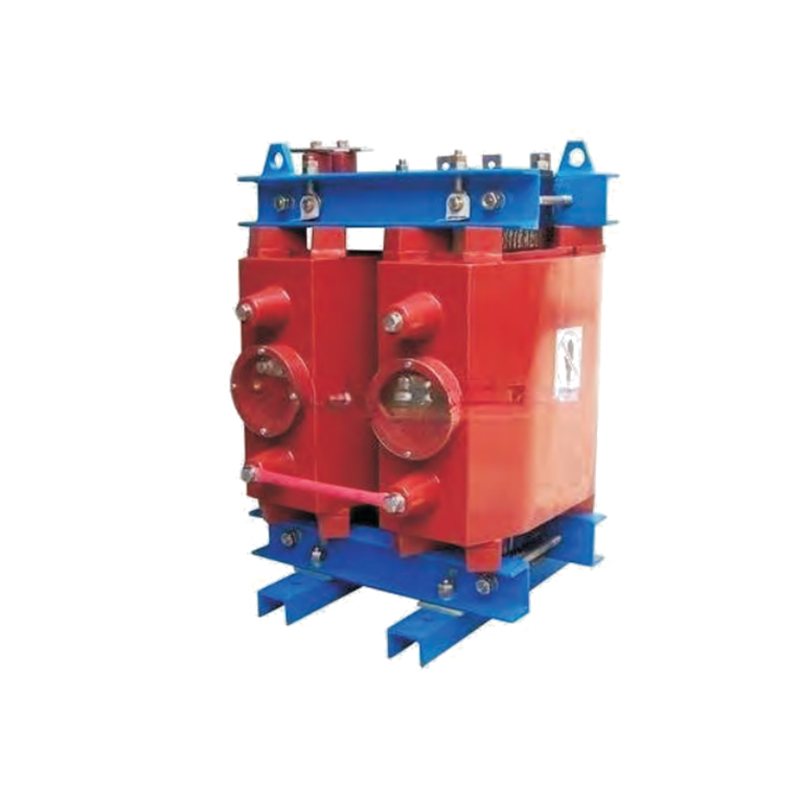
Oil Immersed Transformers vs Dry-Type Transformers
|
Aspect |
Oil Immersed Transformers |
Dry-Type Transformers |
|
Cooling Efficiency |
High due to oil circulation |
Lower, relies on air cooling |
|
Capacity Range |
Suitable for high power ratings |
Typically medium to low capacity |
|
Maintenance |
Requires oil testing and monitoring |
Less oil-related maintenance |
|
Installation Environment |
Mainly outdoor or substations |
Often indoor applications |
|
Service Life |
Longer with proper oil care |
Moderate lifespan |
This comparison highlights why Oil Immersed Transformers remain the preferred choice for heavy-duty and utility-scale applications.
Advanced Maintenance Strategies
8. Condition-Based Maintenance
Instead of fixed schedules, condition-based maintenance relies on real-time data and trends.
- Online DGA monitoring
- Temperature and load tracking
- Predictive analytics
This approach reduces unnecessary downtime and maintenance costs.
9. Load Management
Overloading significantly shortens transformer lifespan.
- Maintain load within rated capacity
- Monitor peak demand periods
Balanced loading ensures thermal stability.
10. Environmental Control
Environmental factors influence transformer health.
- Keep surrounding areas clean and dry
- Prevent dust accumulation
- Ensure proper drainage around outdoor installations
Common Mistakes to Avoid
- Ignoring minor oil leaks
- Skipping oil testing due to cost concerns
- Operating continuously under overload conditions
- Neglecting cooling system inspections
These oversights often lead to premature transformer failure.
Frequently Asked Questions (FAQ)
How often should Oil Immersed Transformers be inspected?
Visual inspections are recommended monthly, while detailed oil testing and electrical checks are typically performed annually or based on operating conditions.
What is the typical service life of Oil Immersed Transformers?
With proper maintenance, many units operate reliably for 25–40 years or longer.
Is transformer oil replacement always necessary?
Not always. Oil filtration and regeneration can restore performance if degradation is detected early.
What causes overheating in Oil Immersed Transformers?
Common causes include overloading, cooling system failure, poor oil quality, and internal faults.
Are Oil Immersed Transformers environmentally safe?
Modern designs use high-quality insulating oils and sealed tanks to minimize leakage risks. Proper handling and disposal further reduce environmental impact.
Long-Term Benefits of Proper Maintenance
Consistent maintenance of Oil Immersed Transformers delivers measurable benefits:
- Improved operational reliability
- Lower lifecycle costs
- Enhanced safety for personnel and facilities
- Stable power supply for critical systems
By combining routine inspections, oil analysis, and advanced monitoring techniques, operators can ensure transformers remain dependable assets within modern power systems.
 Tel:
Tel:
 Email:
 Add:
Add:
