


 English
 русский
 Español
 عربى
عربى 中文简体
中文简体- Understanding Oil Leakage in Oil Immersed Power Transformer Units
- Main Causes of Oil Leakage in Oil Immersed Power Transformer Equipment
- Effective Preventive Measures for Oil Leakage Control
- Design Optimization to Reduce Leakage Risk
- Routine Inspection and Predictive Maintenance Strategies
- Comparison: Traditional vs Modern Leakage Prevention Approaches
- Environmental and Safety Considerations
- Frequently Asked Questions (FAQ)
- Long-Term Benefits of Effective Oil Leakage Prevention
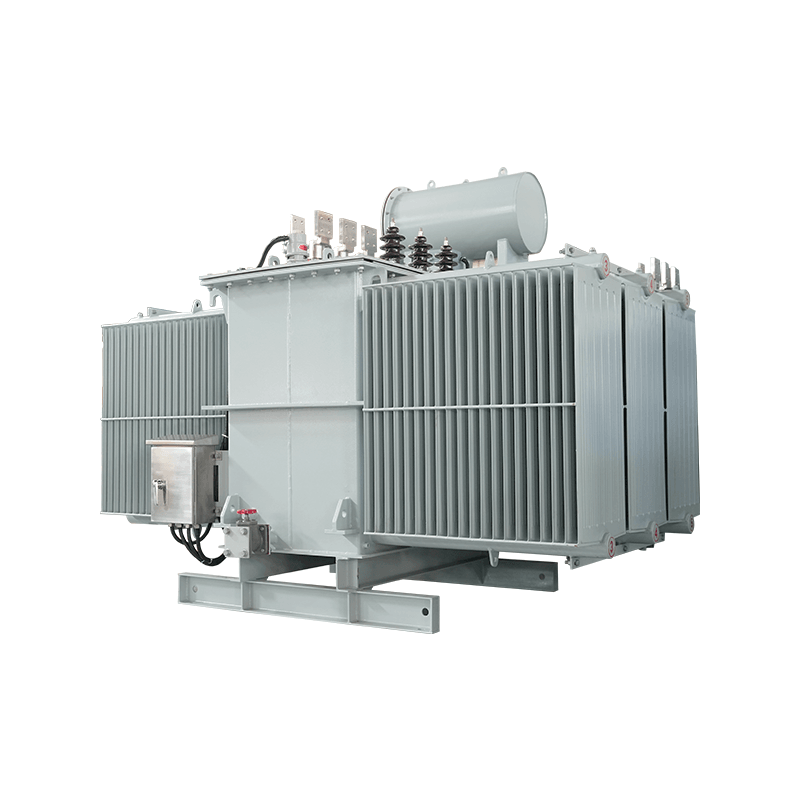
Oil leakage is one of the most common and challenging operational issues faced by Oil Immersed Power Transformer systems. Even minor leakage can lead to insulation degradation, environmental pollution, fire hazards, and increased maintenance costs. In large-scale power grids, industrial substations, and renewable energy projects, preventing oil seepage is critical to ensuring long-term reliability, safety, and compliance with environmental regulations.
Understanding the root causes of oil leakage and implementing systematic preventive measures can significantly extend transformer service life and reduce unplanned outages. This comprehensive guide explores technical causes, preventive strategies, material comparisons, maintenance best practices, and frequently asked questions related to oil leakage prevention.
Understanding Oil Leakage in Oil Immersed Power Transformer Units
Why Oil Leakage Is a Serious Concern
An Oil Immersed Power Transformer relies on insulating oil to perform two essential functions: electrical insulation and heat dissipation. When oil leaks occur, these functions are compromised, resulting in:
- Reduced dielectric strength and insulation performance
- Increased operating temperature and thermal aging
- Risk of internal flashover or short circuits
- Environmental contamination and regulatory penalties
- Fire and explosion hazards in extreme cases
Preventing oil leakage is therefore not only a maintenance issue but also a safety and environmental responsibility.
Main Causes of Oil Leakage in Oil Immersed Power Transformer Equipment
Aging and Degradation of Sealing Materials
Sealing components such as gaskets, O-rings, and oil seals are typically made from rubber, nitrile, or composite materials. Over time, exposure to:
- High operating temperatures
- Oil oxidation products
- Ultraviolet radiation
- Mechanical stress and vibration
can cause these materials to harden, crack, or lose elasticity, leading to oil seepage.
Improper Installation and Assembly
Incorrect torque application, misaligned flanges, uneven gasket compression, or contamination during assembly can all result in micro-gaps. These issues often appear shortly after commissioning and may worsen as the transformer experiences thermal cycling.
Thermal Expansion and Contraction
An Oil Immersed Power Transformer experiences continuous temperature fluctuations during load variations. Uneven thermal expansion between metal components and sealing materials can gradually loosen joints, especially in:
- Radiator connections
- Manholes and inspection covers
- Oil conservator pipelines
Manufacturing and Design Deficiencies
Poor surface finish on flange faces, inadequate gasket groove design, or substandard welding quality can create inherent leakage risks. Older transformer designs are particularly vulnerable due to less advanced sealing technologies.
Effective Preventive Measures for Oil Leakage Control
Selection of High-Quality Sealing Materials
Using advanced sealing materials is one of the most effective ways to prevent oil leakage. Modern Oil Immersed Power Transformer designs increasingly adopt:
- Fluororubber (FKM) gaskets for high-temperature resistance
- Nitrile rubber (NBR) for excellent oil compatibility
- Composite gaskets with metal reinforcement for long-term stability
These materials offer superior resistance to oil oxidation, thermal aging, and mechanical deformation.
Precision Manufacturing and Surface Treatment
Leakage prevention begins at the manufacturing stage. Key practices include:
- High-precision machining of flange surfaces
- Controlled surface roughness to enhance gasket sealing
- Advanced welding techniques to eliminate micro-cracks
Transformers produced with strict quality control standards show significantly lower leakage rates during operation.
Standardized Installation and Torque Control
During installation and maintenance, standardized procedures are essential:
- Use calibrated torque wrenches for uniform bolt tightening
- Apply cross-pattern tightening sequences
- Ensure clean, oil-free contact surfaces before assembly
Consistent gasket compression helps maintain sealing integrity throughout thermal cycles.
Design Optimization to Reduce Leakage Risk
Improved Structural Design
Modern Oil Immersed Power Transformer designs focus on reducing the number of potential leakage points. This includes:
- Integrated tank structures with fewer bolted joints
- Optimized radiator connections
- Enhanced oil conservator designs with flexible joints
Use of Flexible Connections
Flexible hoses and expansion joints can absorb thermal movement and vibration, minimizing stress on rigid pipe connections. This approach is especially effective for large-capacity transformers exposed to wide temperature variations.
Routine Inspection and Predictive Maintenance Strategies
Visual Inspection and Oil Stain Monitoring
Regular visual inspections remain one of the simplest yet most effective preventive measures. Operators should monitor:
- Flange joints and gasket interfaces
- Radiator valves and drain plugs
- Weld seams and tank corners
Early detection of oil stains or dust accumulation can prevent minor seepage from developing into serious leakage.
Oil Level and Pressure Monitoring
Sudden changes in oil level or conservator pressure may indicate internal or external leakage. Continuous monitoring systems help identify abnormal trends before visible leakage occurs.
Infrared Thermography and Ultrasonic Detection
Advanced diagnostic tools provide non-invasive leakage detection:
- Infrared imaging to detect abnormal temperature patterns
- Ultrasonic testing to locate pressurized oil escape points
These methods are increasingly used in high-voltage Oil Immersed Power Transformer installations.
Comparison: Traditional vs Modern Leakage Prevention Approaches
Traditional Methods
- Basic rubber gaskets
- Manual inspection only
- Reactive maintenance after leakage occurs
- Higher long-term maintenance costs
Modern Preventive Solutions
- Advanced composite sealing materials
- Predictive condition monitoring systems
- Optimized structural and thermal design
- Lower failure rates and extended service life
The shift toward proactive leakage prevention significantly improves reliability and operational efficiency.
Environmental and Safety Considerations
Oil leakage from an Oil Immersed Power Transformer can contaminate soil and water sources, leading to environmental damage and legal consequences. Preventive measures help:
- Meet environmental protection regulations
- Reduce fire and explosion risks
- Improve public and workplace safety
Many utilities now integrate environmental risk assessments into transformer maintenance planning.
Frequently Asked Questions (FAQ)
What is the most common location for oil leakage?
Flange joints, gasket interfaces, radiator connections, and valve assemblies are the most frequent leakage points in an Oil Immersed Power Transformer.
How often should sealing components be replaced?
Replacement intervals depend on operating conditions, oil quality, and temperature. In general, gaskets should be inspected during every major maintenance cycle and replaced if aging or deformation is observed.
Can oil leakage be completely eliminated?
While it is difficult to guarantee zero leakage over decades of operation, proper design, high-quality materials, and proactive maintenance can reduce leakage risk to an extremely low level.
Does oil leakage always require immediate shutdown?
Minor seepage does not always require immediate shutdown, but it should be closely monitored and scheduled for repair. Severe leakage posing safety or environmental risks requires prompt action.
How does temperature affect oil leakage?
Temperature fluctuations cause expansion and contraction of transformer components. Without proper design and flexible sealing, these thermal effects can accelerate leakage.
Long-Term Benefits of Effective Oil Leakage Prevention
Investing in comprehensive leakage prevention strategies delivers long-term advantages:
- Extended operational lifespan of the Oil Immersed Power Transformer
- Reduced maintenance and repair costs
- Improved power supply reliability
- Enhanced environmental and safety performance
As power systems continue to evolve toward higher efficiency and sustainability, effective oil leakage prevention remains a fundamental requirement for modern transformer operation.
 Tel:
Tel:
 Email:
 Add:
Add:
