


 English
 русский
 Español
 عربى
عربى 中文简体
中文简体- Understanding Energy Losses in Power Systems
- What Is an Oil Immersed Power Transformer?
- How Oil Immersed Power Transformers Improve Energy Efficiency
- Oil Immersed vs. Dry-Type Transformers: Energy Efficiency Comparison
- Role of Oil Immersed Power Transformers in Smart Grids
- Economic Benefits of Improved Energy Efficiency
- Best Practices for Maximizing Transformer Efficiency
- Environmental Considerations and Sustainable Oils
- Applications Where Oil Immersed Power Transformers Deliver Maximum Efficiency
- Frequently Asked Questions (FAQ)
- Why is an Oil Immersed Power Transformer more efficient than air-cooled designs?
- Does transformer oil affect long-term efficiency?
- Are oil immersed transformers suitable for continuous operation?
- How does core material influence energy efficiency?
- Can oil immersed transformers support energy-saving regulations?
- Future Outlook for Oil Immersed Power Transformer Technology
As global energy demand continues to rise and carbon reduction targets become more stringent, improving the energy efficiency of power systems has become a priority for utilities, industrial operators, and infrastructure developers. Among various grid components, transformers play a decisive role in determining overall transmission and distribution efficiency. In this context, the Oil Immersed Power Transformer stands out as a proven and widely adopted solution for enhancing power system performance, reliability, and long-term energy efficiency.
By combining advanced insulation technology, effective heat dissipation, and stable operational characteristics, oil immersed transformers remain a cornerstone of modern electrical networks, from generation plants to substations and industrial facilities.
Understanding Energy Losses in Power Systems
Before exploring how an Oil Immersed Power Transformer improves efficiency, it is important to understand where energy losses occur in power systems.
Main Sources of Power System Losses
- Copper (Load) Losses: Caused by resistance in transformer windings during load operation.
- Core (No-Load) Losses: Resulting from hysteresis and eddy currents in the magnetic core.
- Thermal Losses: Excess heat reduces efficiency and accelerates insulation aging.
- Voltage Regulation Losses: Inefficient voltage control leads to additional system losses.
Transformers with poor cooling or insulation performance exacerbate these losses, increasing operating costs and reducing system reliability.
What Is an Oil Immersed Power Transformer?
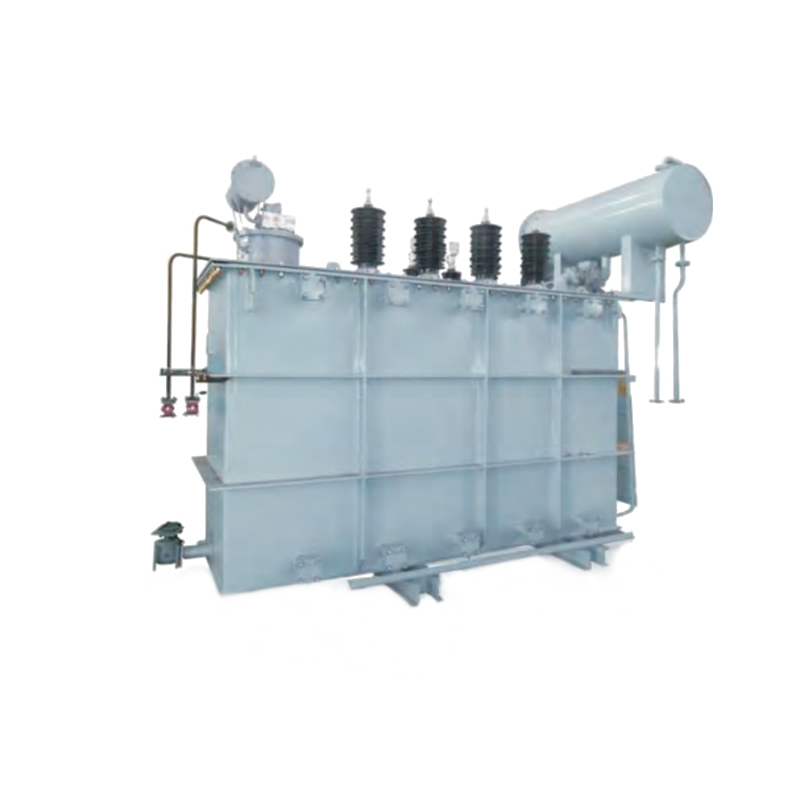
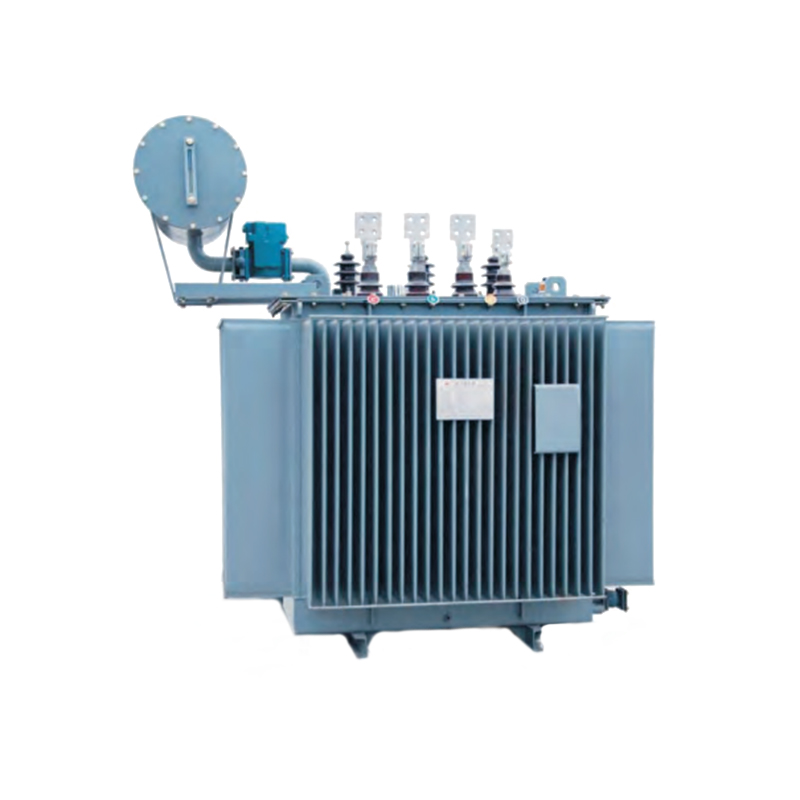
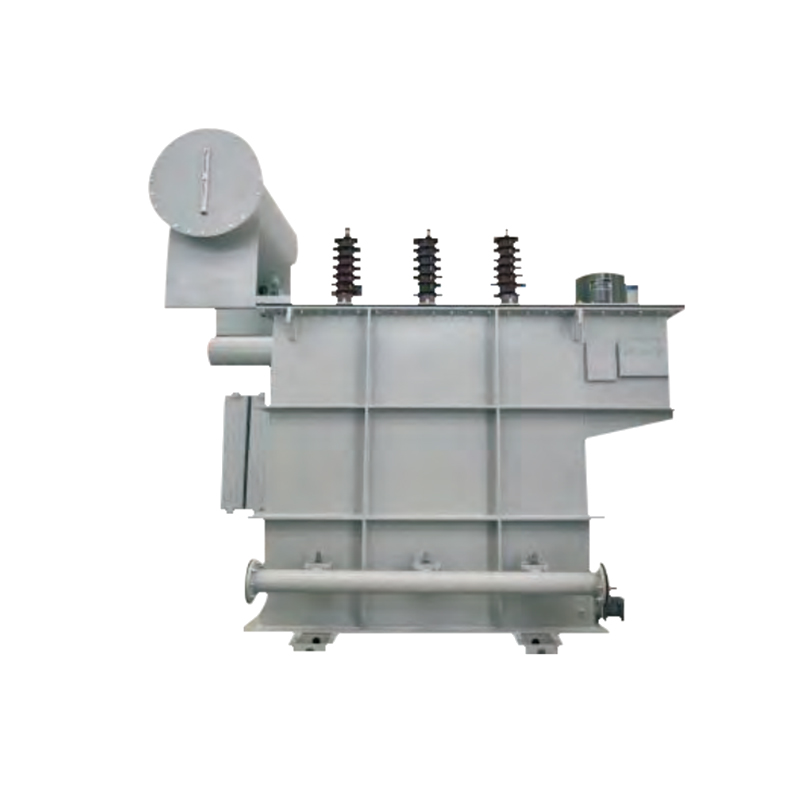
An Oil Immersed Power Transformer uses insulating mineral oil or synthetic oil to provide both electrical insulation and heat dissipation. The transformer core and windings are fully submerged in oil, which circulates naturally or forcibly to transfer heat to radiators or cooling fins.
Key Structural Components
- High-permeability silicon steel core
- Copper or aluminum windings
- Transformer oil as insulation and cooling medium
- Radiators or cooling tubes
- Conservator tank and breather system
This integrated design allows oil immersed transformers to operate efficiently even under high loads and harsh environmental conditions.
How Oil Immersed Power Transformers Improve Energy Efficiency
Superior Heat Dissipation Reduces Thermal Losses
Efficient cooling is critical to minimizing resistance-related losses. Transformer oil has excellent thermal conductivity and convection properties, allowing heat to dissipate evenly across the windings and core.
- Lower operating temperature reduces copper losses
- Stable thermal conditions improve load efficiency
- Extended insulation life maintains long-term performance
Optimized Core Design Minimizes No-Load Losses
Modern Oil Immersed Power Transformers utilize advanced core materials such as cold-rolled grain-oriented (CRGO) silicon steel or amorphous alloys. These materials significantly reduce hysteresis and eddy current losses.
Lower no-load losses translate directly into energy savings, especially for transformers operating continuously in substations.
Enhanced Insulation Improves Electrical Performance
The insulating oil provides uniform dielectric strength throughout the transformer, reducing partial discharge risks and electrical stress. This stability improves voltage regulation and reduces leakage losses.
High Load Capacity and Overload Tolerance
Oil immersed transformers can handle temporary overloads without significant efficiency degradation. This capability allows utilities to optimize transformer sizing and avoid installing oversized units that operate inefficiently at low loads.
Oil Immersed vs. Dry-Type Transformers: Energy Efficiency Comparison
Cooling Performance
- Oil Immersed Power Transformer: Excellent cooling through oil circulation, suitable for high-capacity systems.
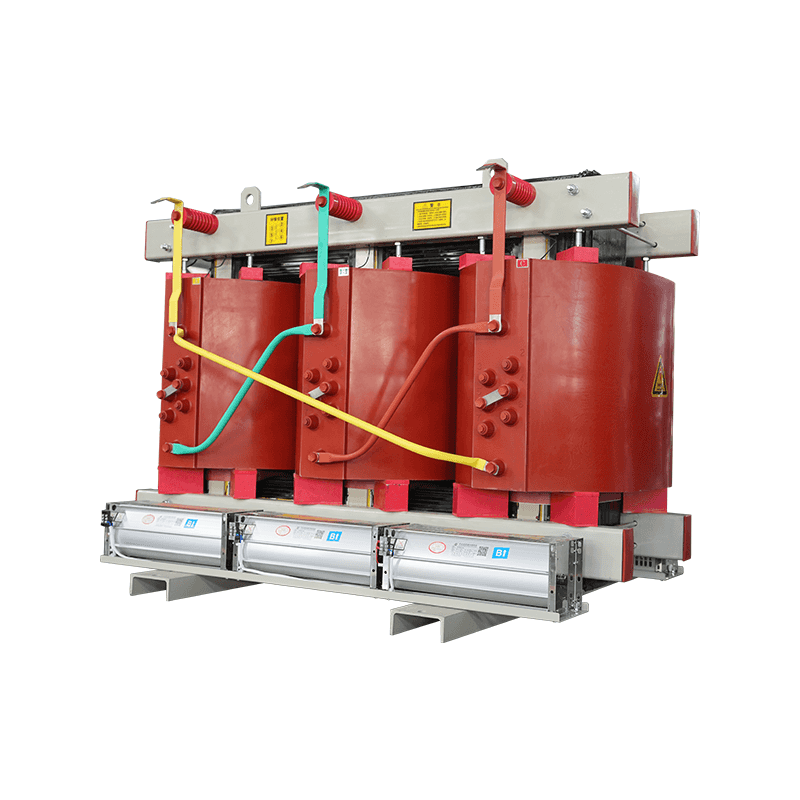
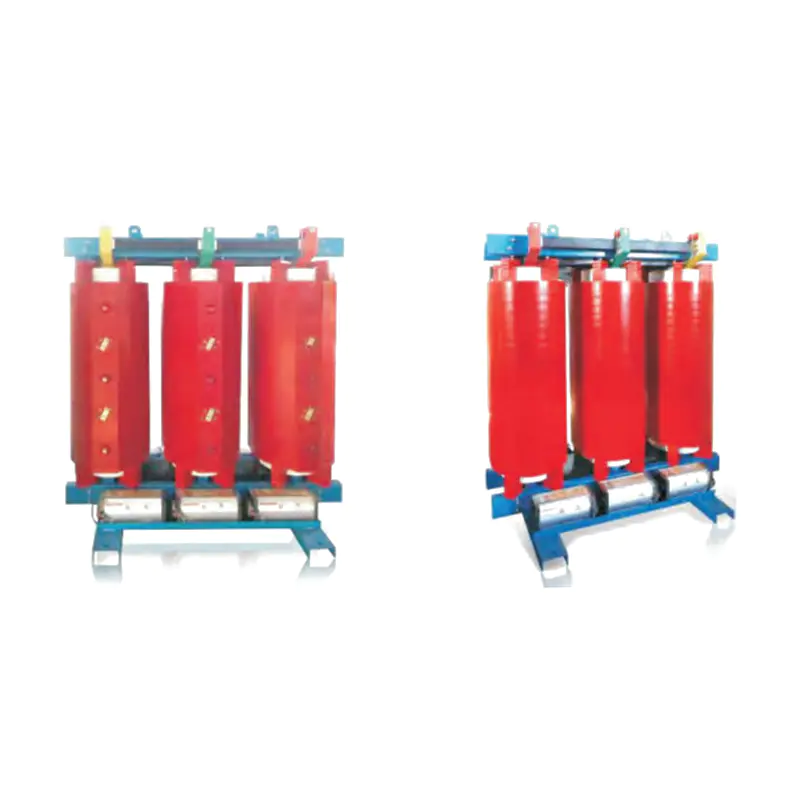
- Dry-Type Transformer: Relies on air cooling, less effective for high loads.
Energy Loss Characteristics
- Oil immersed transformers typically have lower load losses.
- Dry-type transformers may experience higher thermal losses under continuous heavy load.
Operational Efficiency
For medium- to high-voltage applications, oil immersed units generally offer higher efficiency and lower lifecycle energy consumption.
Application Suitability
- Oil immersed: Power plants, outdoor substations, industrial grids
- Dry-type: Commercial buildings, indoor installations with fire restrictions
Role of Oil Immersed Power Transformers in Smart Grids
As smart grids integrate renewable energy sources and digital monitoring systems, transformer efficiency becomes even more critical. The Oil Immersed Power Transformer adapts well to these evolving requirements.
Supporting Renewable Energy Integration
- Handles fluctuating loads from solar and wind sources
- Maintains efficiency under variable operating conditions
Compatibility with Online Monitoring
Modern oil immersed transformers can be equipped with sensors for temperature, dissolved gas analysis (DGA), and load monitoring, enabling predictive maintenance and efficiency optimization.
Economic Benefits of Improved Energy Efficiency
Reduced Operational Costs
Lower energy losses mean reduced electricity waste and lower operating expenses over the transformer’s lifespan.
Extended Service Life
Efficient cooling and stable insulation slow aging processes, reducing replacement frequency and capital expenditure.
Lower Carbon Emissions
Improved efficiency contributes directly to emission reduction goals by minimizing unnecessary power generation.
Best Practices for Maximizing Transformer Efficiency
Proper Capacity Selection
Selecting a correctly rated Oil Immersed Power Transformer ensures optimal efficiency across typical load ranges.
Regular Oil Testing and Maintenance
- Oil quality directly affects insulation and cooling
- Routine testing prevents efficiency degradation
Upgrading to Low-Loss Designs
Replacing aging transformers with modern low-loss oil immersed models delivers immediate and measurable efficiency gains.
Environmental Considerations and Sustainable Oils
Advances in insulating fluids have further enhanced the sustainability profile of oil immersed transformers.
Eco-Friendly Transformer Oils
- Biodegradable ester-based oils
- Higher fire point and improved thermal stability
These oils enhance safety while maintaining or improving energy efficiency.
Applications Where Oil Immersed Power Transformers Deliver Maximum Efficiency
- Transmission and distribution substations
- Power generation facilities
- Heavy industrial plants
- Renewable energy grid connections
- Utility-scale infrastructure projects
In these environments, efficiency improvements yield significant economic and operational benefits.
Frequently Asked Questions (FAQ)
Why is an Oil Immersed Power Transformer more efficient than air-cooled designs?
Oil provides superior heat transfer and insulation, reducing thermal and electrical losses during operation.
Does transformer oil affect long-term efficiency?
Yes. High-quality oil maintains dielectric strength and cooling performance, directly supporting stable efficiency over decades of service.
Are oil immersed transformers suitable for continuous operation?
They are specifically designed for continuous, high-load operation with minimal efficiency loss.
How does core material influence energy efficiency?
Advanced core materials reduce hysteresis and eddy current losses, improving no-load efficiency significantly.
Can oil immersed transformers support energy-saving regulations?
Modern designs comply with international efficiency standards and help utilities meet regulatory and sustainability requirements.
Future Outlook for Oil Immersed Power Transformer Technology
With ongoing innovation in core materials, insulating fluids, and digital monitoring, the Oil Immersed Power Transformer continues to evolve as a high-efficiency solution for modern power systems. As grids expand and efficiency standards tighten, these transformers will remain essential for reducing losses, improving reliability, and supporting sustainable energy development.
By integrating advanced design, robust materials, and intelligent maintenance strategies, oil immersed transformers play a critical role in building efficient, resilient, and future-ready electrical networks.
 Tel:
Tel:
 Email:
 Add:
Add:
