


 English
 русский
 Español
 عربى
عربى 中文简体
中文简体- Common Types of Oil Used in Oil Immersed Transformers
- Environmental and Legal Risks of Improper Disposal
- How to Properly Dispose of Oil from an Oil Immersed Transformer
- Recycling Transformer Oil: A Sustainable Alternative
- Best Practices for Managing Used Oil Immersed Transformer Oil
- Economic Benefits of Recycling Transformer Oil
- Future Trends in Transformer Oil Management
- Frequently Asked Questions
- Conclusion: Responsible Oil Management Protects Both Infrastructure and the Environment
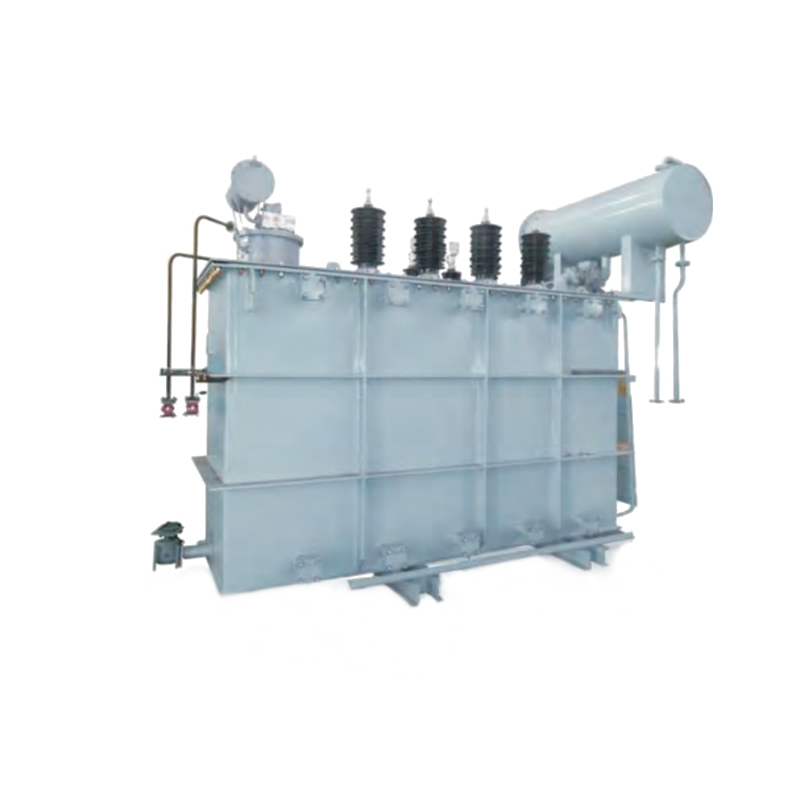
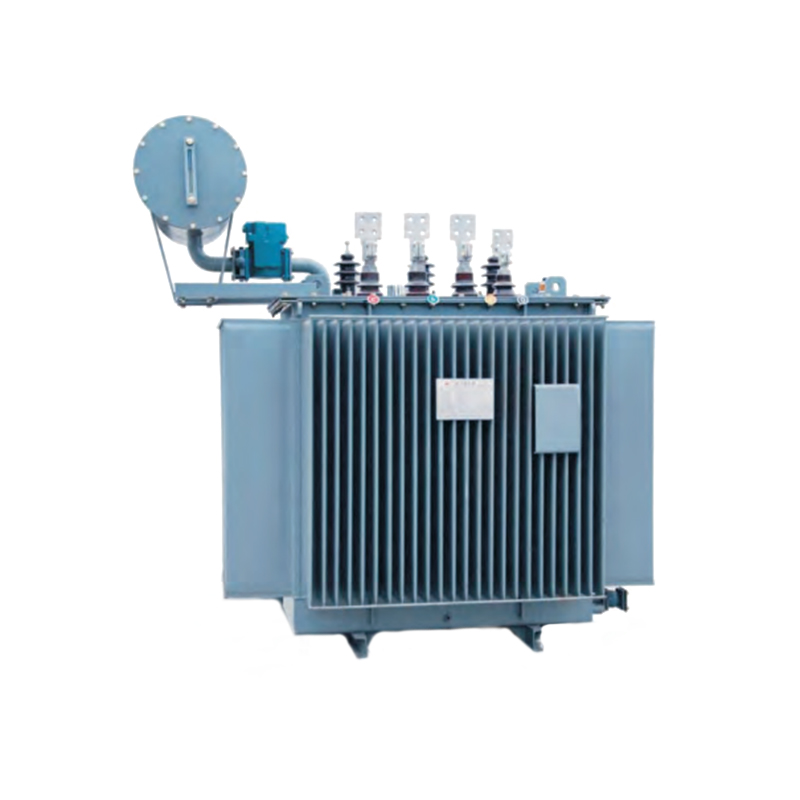
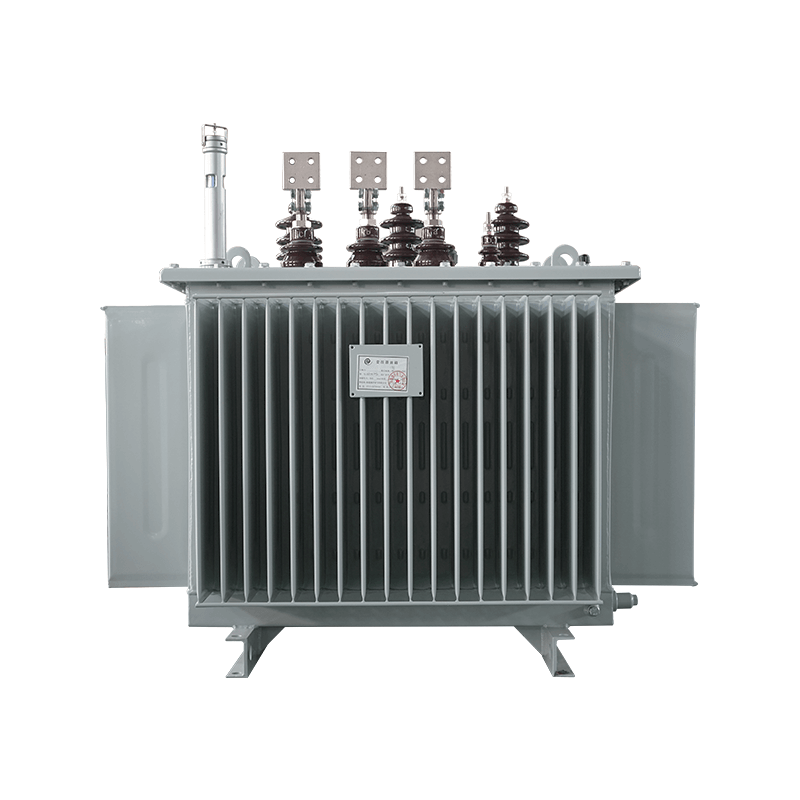
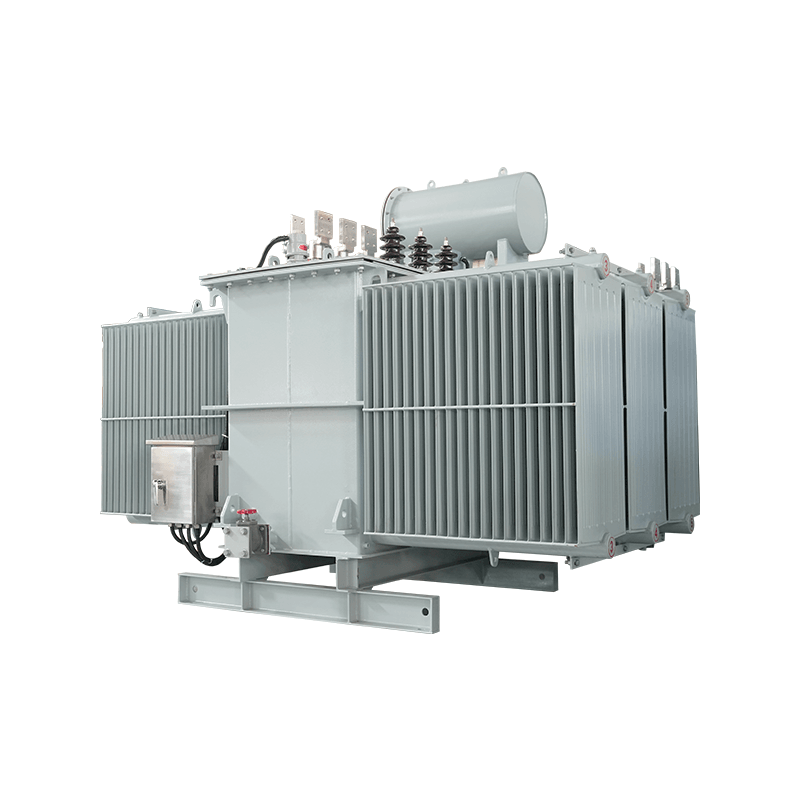
An Oil immersed Transformer plays a critical role in modern power transmission and distribution systems. It relies on insulating oil to perform two essential functions: electrical insulation and heat dissipation. Over time, however, transformer oil degrades due to oxidation, contamination, moisture ingress, and thermal stress. When oil reaches the end of its service life, improper disposal can pose serious risks to the environment, public health, and regulatory compliance.
Used transformer oil may contain harmful substances such as sludge, acids, heavy metals, or in older equipment, polychlorinated biphenyls (PCBs). Because of these risks, governments and environmental agencies around the world enforce strict rules on how oil from an Oil immersed Transformer must be handled, recycled, or disposed of.
Common Types of Oil Used in Oil Immersed Transformers
Mineral Transformer Oil
Mineral oil is the most widely used insulating liquid in an Oil immersed Transformer. It is derived from refined petroleum and offers good dielectric strength and cooling performance. However, mineral oil is not biodegradable and can cause long-term environmental damage if released into soil or water.
Natural Ester (Vegetable-Based) Oil
Natural ester oils are increasingly used as environmentally friendly alternatives. They are biodegradable, have higher flash points, and reduce fire risk. While disposal is generally easier, recycling and treatment are still required to meet environmental standards.
Synthetic Ester and Silicone Oils
These oils are used in specialized or high-risk installations. They offer excellent thermal stability and fire resistance but require professional handling due to higher costs and more complex recycling processes.
Environmental and Legal Risks of Improper Disposal
Dumping or mishandling oil from an Oil immersed Transformer can lead to severe consequences:
- Soil and groundwater contamination, which can persist for decades
- Harm to aquatic life if oil enters rivers or drainage systems
- Fire hazards due to flammable residues
- Heavy fines and legal penalties for non-compliance with environmental regulations
In many regions, transformer oil is classified as hazardous or controlled waste, making proper disposal not just a best practice, but a legal obligation.
How to Properly Dispose of Oil from an Oil Immersed Transformer
Step 1: Oil Sampling and Testing
Before disposal or recycling, oil should be sampled and analyzed by a certified laboratory. Testing determines whether the oil contains PCBs, excessive moisture, acids, or other hazardous compounds. This step is especially important for older Oil immersed Transformer units manufactured before modern environmental standards.
Step 2: Safe Draining and Storage
Oil must be drained using sealed systems to prevent spills. Approved containers, such as steel drums or intermediate bulk containers (IBCs), should be clearly labeled and stored in bunded areas to prevent leaks.
Step 3: Transportation by Licensed Contractors
Only licensed waste management or recycling companies should transport used transformer oil. Documentation such as waste transfer notes or manifests is often required to ensure traceability from the site to the final treatment facility.
Step 4: Disposal at Authorized Facilities
If oil is not suitable for recycling, it must be treated at approved hazardous waste facilities. Common disposal methods include controlled incineration with energy recovery or chemical treatment to neutralize harmful components.
Recycling Transformer Oil: A Sustainable Alternative
Recycling is often the preferred option for oil from an Oil immersed Transformer, as it reduces waste, conserves resources, and lowers operational costs.
Oil Reconditioning
Reconditioning removes moisture, gases, and particulates through filtration and vacuum dehydration. This process can restore oil quality sufficiently for continued use in the same transformer.
Oil Re-refining
Re-refining involves more advanced processes such as distillation and chemical treatment. The result is oil that meets near-virgin specifications and can be reused in different transformers or industrial applications.
Comparison: Disposal vs Recycling
| Aspect | Disposal | Recycling |
|---|---|---|
| Environmental Impact | Higher | Lower |
| Cost Over Time | Higher due to waste fees | Lower through oil reuse |
| Regulatory Acceptance | Restricted | Encouraged |
| Sustainability | Low | High |
Best Practices for Managing Used Oil Immersed Transformer Oil
- Maintain accurate records of oil testing, storage, and transport
- Work only with certified recycling and disposal partners
- Inspect storage containers regularly for leaks or corrosion
- Train maintenance staff on spill prevention and emergency response
- Consider biodegradable oils when upgrading or replacing equipment
Economic Benefits of Recycling Transformer Oil
Recycling oil from an Oil immersed Transformer is not only environmentally responsible but also economically beneficial. Reconditioned oil costs significantly less than new oil, reduces procurement lead times, and minimizes downtime during maintenance. For utilities managing large transformer fleets, these savings can be substantial over the equipment lifecycle.
Future Trends in Transformer Oil Management
As sustainability becomes a priority, regulations are tightening and innovation is accelerating. Advanced monitoring systems now track oil condition in real time, allowing predictive maintenance and extending oil life. Additionally, bio-based insulating fluids are gaining market share, simplifying end-of-life disposal and reducing environmental risk.
Frequently Asked Questions
Is oil from an Oil immersed Transformer always considered hazardous waste?
Not always. Classification depends on oil composition and contamination levels. Oil containing PCBs or high concentrations of heavy metals is typically classified as hazardous, while clean mineral or ester oils may fall under controlled waste categories.
Can transformer oil be reused after recycling?
Yes. Through reconditioning or re-refining, used oil can often meet industry standards and be reused safely in an Oil immersed Transformer or other electrical equipment.
How often should transformer oil be replaced?
There is no fixed interval. Oil life depends on operating conditions, load, temperature, and maintenance practices. Regular testing helps determine the optimal time for treatment or replacement.
What happens if transformer oil is spilled?
Spills must be contained immediately using absorbent materials and reported according to local regulations. Contaminated soil or materials must be treated as hazardous waste.
Are biodegradable oils completely risk-free?
While biodegradable oils significantly reduce environmental impact, they still require proper handling, storage, and disposal to comply with safety and environmental standards.
Conclusion: Responsible Oil Management Protects Both Infrastructure and the Environment
Properly disposing of or recycling oil from an Oil immersed Transformer is a critical responsibility for utilities, industrial operators, and maintenance providers. By following regulated procedures, choosing recycling whenever possible, and adopting modern oil management practices, organizations can reduce environmental impact, ensure legal compliance, and optimize long-term operating costs.
 Tel:
Tel:
 Email:
 Add:
Add:
