


 English
 русский
 Español
 عربى
عربى 中文简体
中文简体- Understanding the Working Principle of an Oil Immersed Transformer
- Key Reasons Regular Maintenance Is Essential
- The Critical Role of Oil Testing
- Maintenance vs. No Maintenance: A Practical Comparison
- Recommended Maintenance Frequency for an Oil Immersed Transformer
- Environmental and Economic Benefits
- Best Practices for Effective Transformer Oil Management
- Frequently Asked Questions (FAQ)
- Long-Term Reliability Starts with Preventive Care
An Oil immersed Transformer plays a vital role in modern power transmission and distribution systems. From substations and industrial facilities to renewable energy projects and urban infrastructure, these transformers ensure stable voltage regulation and efficient power delivery. However, their reliability and service life depend heavily on consistent maintenance practices and systematic oil testing.
Without proper inspection and monitoring, even a high-quality transformer can experience unexpected failures, costly downtime, and safety risks. Regular maintenance combined with professional oil analysis helps operators detect hidden issues early, optimize performance, and significantly extend operational lifespan.
Understanding the Working Principle of an Oil Immersed Transformer
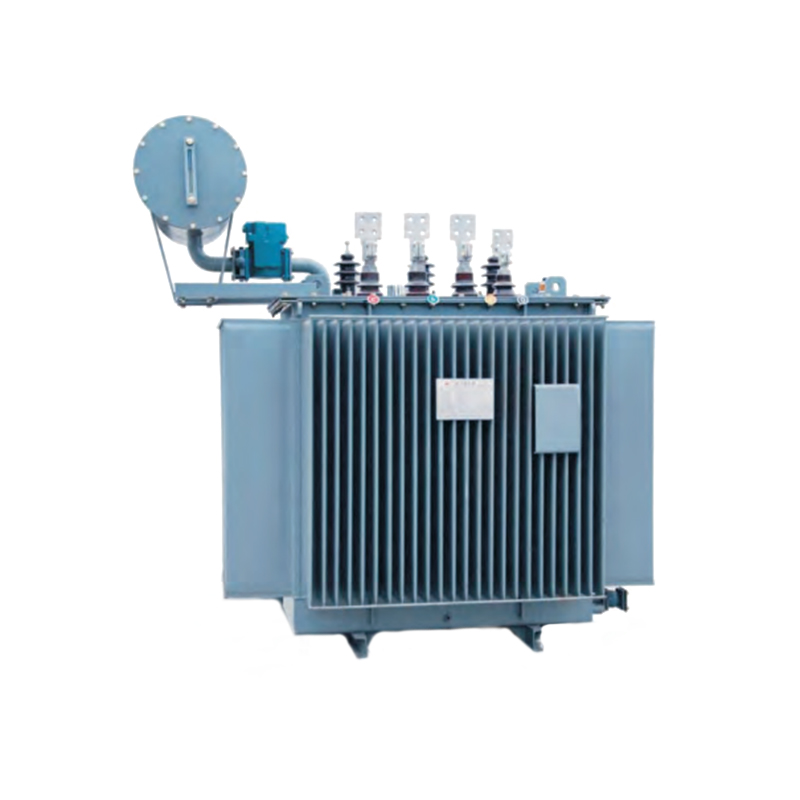
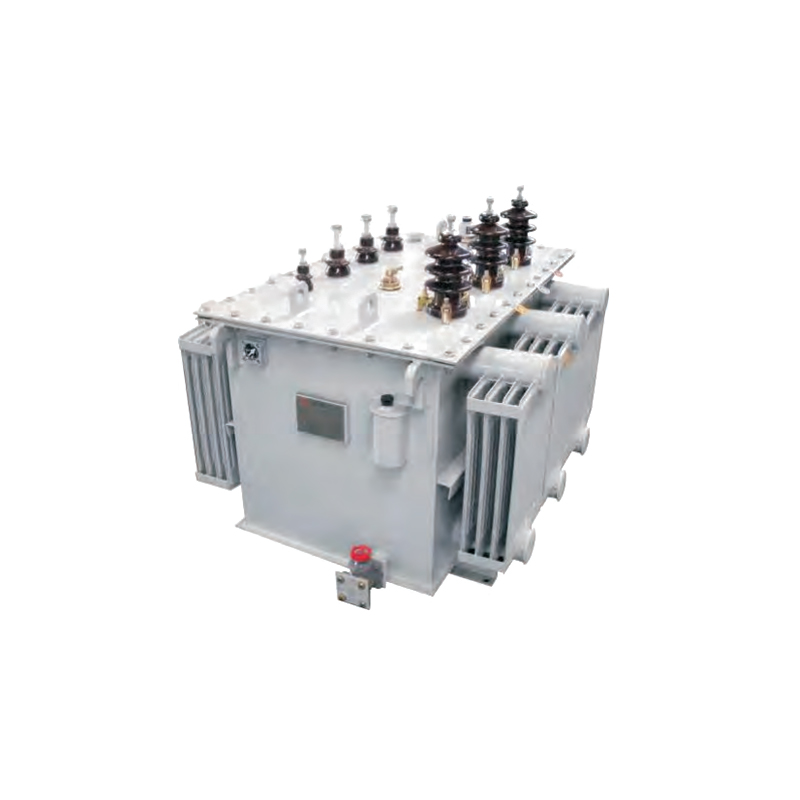
An Oil immersed Transformer uses insulating mineral oil (or alternative insulating fluids) to cool and insulate its internal components. The oil serves two critical purposes:
- Electrical insulation between windings and core
- Heat dissipation by transferring heat from the windings to the tank and radiators
Over time, thermal stress, oxidation, moisture ingress, and electrical faults gradually degrade the oil’s insulating and cooling properties. This degradation directly impacts transformer efficiency and safety.
Key Reasons Regular Maintenance Is Essential
1. Preventing Unexpected Transformer Failures
Sudden transformer failure can lead to power outages, production losses, and expensive emergency repairs. Regular maintenance allows operators to identify early warning signs such as abnormal temperature rise, unusual noise, oil leakage, or insulation deterioration.
For an Oil immersed Transformer, these signs often develop internally and may not be visible without proper inspection and testing.
2. Extending Service Life
Transformers are designed for long-term operation, often exceeding 25–30 years. Consistent maintenance helps slow aging processes by:
- Reducing thermal stress on windings
- Controlling moisture content in oil
- Maintaining insulation strength
Well-maintained oil and insulation systems significantly delay costly replacements.
3. Ensuring Operational Safety
Degraded oil increases the risk of internal arcing, partial discharge, and in severe cases, fire or explosion. Maintenance procedures such as oil sampling, pressure relief checks, and bushing inspections help minimize safety hazards in substations and industrial sites.
4. Improving Energy Efficiency
When oil quality declines, heat dissipation becomes less effective. This results in higher operating temperatures and increased energy losses. Regular maintenance keeps the Oil immersed Transformer operating at optimal efficiency, reducing unnecessary power waste.
The Critical Role of Oil Testing
Oil testing is one of the most valuable diagnostic tools for transformer condition assessment. It provides insight into the internal health of the transformer without requiring shutdown or disassembly.
Common Oil Tests and Their Purposes
- Dielectric Breakdown Voltage (BDV): Measures oil’s insulating strength
- Dissolved Gas Analysis (DGA): Detects internal faults such as overheating or arcing
- Moisture Content Test: Identifies water contamination that accelerates insulation aging
- Acidity (Neutralization Number): Indicates oil oxidation and aging
- Interfacial Tension (IFT): Reflects oil contamination and sludge formation
Why Dissolved Gas Analysis Is Especially Important
DGA is often described as the “blood test” of an Oil immersed Transformer. Different fault conditions generate specific gases:
- Hydrogen (H₂): Partial discharge
- Acetylene (C₂H₂): High-energy arcing
- Methane and Ethane: Low-temperature overheating
- Carbon Monoxide: Paper insulation degradation
Tracking gas trends over time allows predictive maintenance and avoids catastrophic failures.
Maintenance vs. No Maintenance: A Practical Comparison
With Regular Maintenance and Oil Testing
- Stable transformer performance
- Early fault detection
- Lower long-term operating costs
- Extended transformer lifespan
- Improved safety and compliance
Without Regular Maintenance
- Sudden equipment failure
- High emergency repair costs
- Unplanned power outages
- Increased fire and safety risks
- Shortened service life
This comparison clearly highlights how preventive care is far more cost-effective than reactive repairs.
Recommended Maintenance Frequency for an Oil Immersed Transformer
Maintenance schedules may vary depending on operating environment, load conditions, and transformer age. General industry practices include:
- Visual inspections: Monthly or quarterly
- Oil sampling and basic tests: Annually
- Dissolved Gas Analysis: Once or twice per year
- Comprehensive diagnostic testing: Every 3–5 years
High-load or critical transformers may require more frequent monitoring.
Environmental and Economic Benefits
Maintaining an Oil immersed Transformer also supports sustainability goals. Extending equipment life reduces raw material consumption, manufacturing emissions, and waste generation.
From an economic perspective, planned maintenance costs are predictable and manageable, while failure-related expenses often exceed budgets and disrupt operations.
Best Practices for Effective Transformer Oil Management
- Use sealed systems to minimize moisture ingress
- Maintain proper oil levels at all times
- Record oil test results for trend analysis
- Filter or regenerate oil when test results decline
- Work with certified laboratories for accurate diagnostics
Frequently Asked Questions (FAQ)
How often should oil testing be performed on an Oil immersed Transformer?
Most transformers benefit from annual oil testing, while critical or heavily loaded units may require testing every six months.
Can oil testing prevent transformer failure completely?
Oil testing cannot eliminate all risks, but it significantly reduces the likelihood of unexpected failures by identifying early-stage faults.
What happens if transformer oil is not replaced or treated?
Untreated oil gradually loses insulating strength, accumulates moisture and acids, and accelerates insulation aging, leading to higher failure risk.
Is oil filtration better than oil replacement?
In many cases, filtration and regeneration restore oil quality effectively and are more economical than complete replacement.
Does oil testing require shutting down the transformer?
Most oil sampling and testing procedures can be performed while the transformer remains in service.
Long-Term Reliability Starts with Preventive Care
Consistent maintenance and professional oil testing form the foundation of reliable transformer operation. For any Oil immersed Transformer, these practices ensure stable performance, enhanced safety, and long-term cost savings.
 Tel:
Tel:
 Email:
 Add:
Add:
