


 English
 русский
 Español
 عربى
عربى 中文简体
中文简体- Introduction to Oil Immersed Transformers
- Key Features of Oil Immersed Transformers
- How Oil Immersed Transformers Compare to Other Types
- Applications of Oil Immersed Transformers
- Advantages of Oil Immersed Transformers
- Common FAQs about Oil Immersed Transformers
- Conclusion: Why Choose Oil Immersed Transformers
Introduction to Oil Immersed Transformers
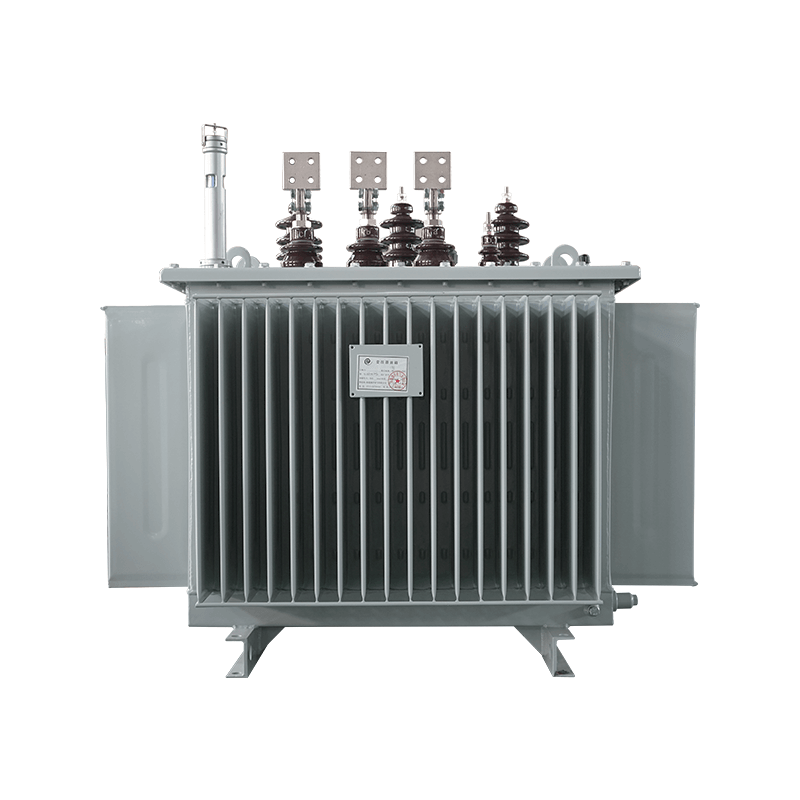
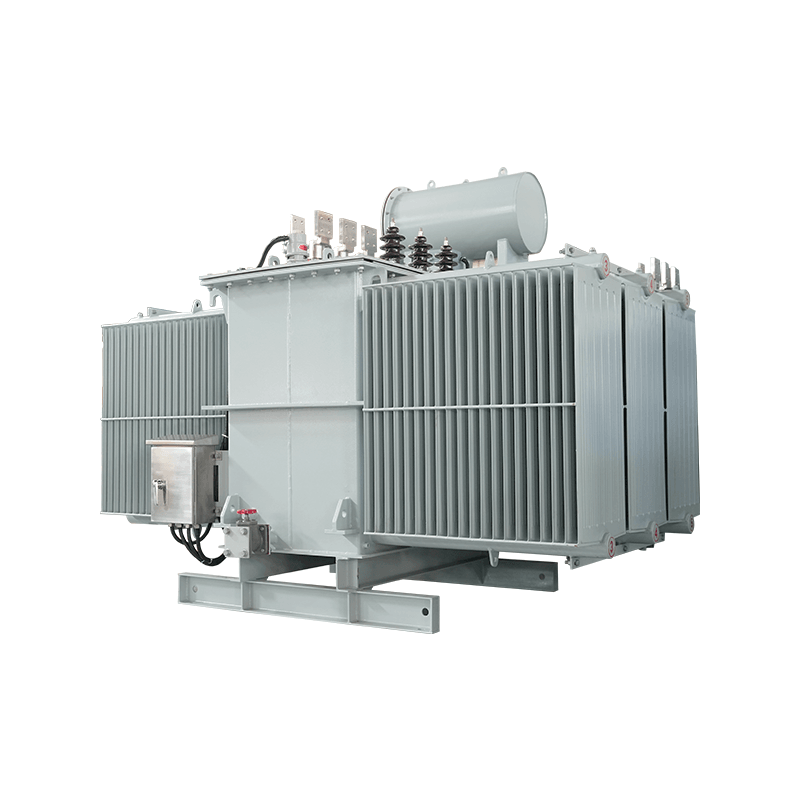
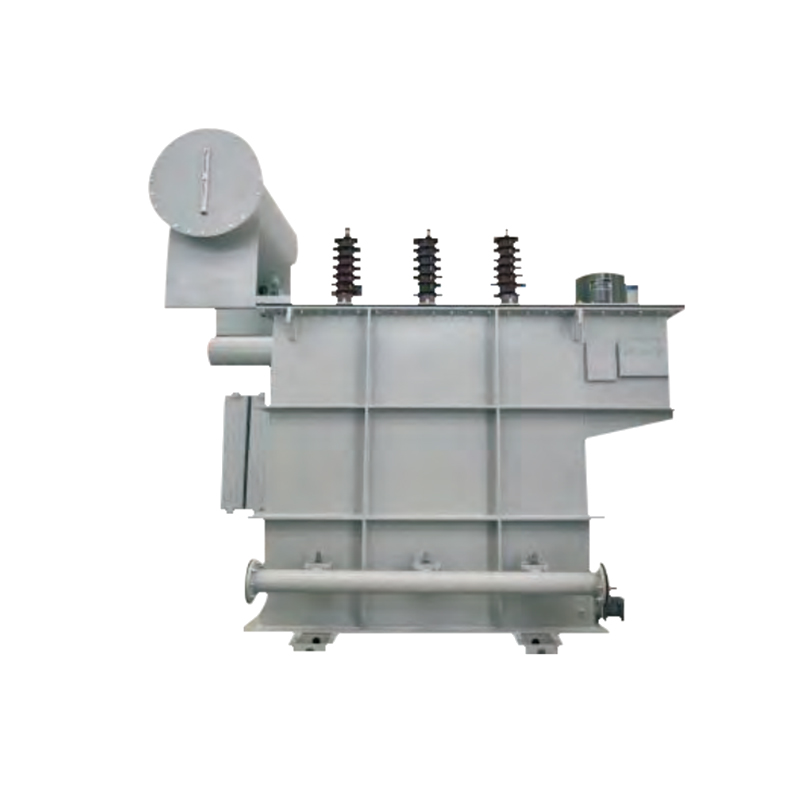
Oil immersed transformers, also known as oil-filled transformers, are widely used in power grids and substations due to their excellent electrical insulation and cooling capabilities. These transformers are a crucial component of the electrical distribution system, responsible for converting electrical voltage to appropriate levels for efficient transmission. The oil inside the transformer not only serves as an insulating medium but also helps in cooling the system by dissipating the heat generated during the transformation process.
In this section, we will explore why oil-immersed transformers are a reliable solution for power grids and substations and discuss their core functions, features, and benefits.
Key Features of Oil Immersed Transformers
Oil-immersed transformers are designed to meet the specific requirements of power grids and substations. Some of their key features include:
- Effective Cooling: The oil used in the transformer acts as a cooling agent that absorbs the heat generated during the conversion of electrical energy. This ensures that the transformer operates at optimal temperatures, preventing overheating and damage.
- Excellent Insulation: The oil provides high dielectric strength, offering superior insulation to the internal components of the transformer. This reduces the risk of electrical breakdowns and increases the transformer's lifespan.
- Durability: Oil-immersed transformers are known for their robustness and long-lasting performance, even in harsh environmental conditions.
- Ease of Maintenance: These transformers are easy to maintain because the oil can be replaced periodically to ensure optimal performance, and the entire system is designed to be serviceable with minimal disruption.
- Safety: The use of oil as a cooling and insulating medium helps in preventing electrical faults that may occur due to overheating or dielectric breakdown.
How Oil Immersed Transformers Compare to Other Types
While oil-immersed transformers offer significant advantages, it is important to compare them with other types of transformers commonly used in power grids and substations. Below is a comparison of oil-immersed transformers with dry-type transformers and gas-insulated transformers:
Comparison Table: Oil Immersed Transformers vs. Dry-Type Transformers vs. Gas-Insulated Transformers
| Feature | Oil Immersed Transformers | Dry-Type Transformers | Gas-Insulated Transformers |
|---|---|---|---|
| Cooling Method | Oil Cooling | Air Cooling | Gas Cooling (SF6 or other gases) |
| Insulation Medium | Oil | Air | SF6 Gas or other gases |
| Maintenance Requirements | Periodic Oil Replacement and Inspections | Minimal Maintenance | Frequent Inspections and Gas Refill |
| Suitability for Outdoor Use | Excellent for outdoor environments | Less suitable for harsh outdoor environments | Suitable for urban and indoor use |
| Cost | Moderate | Lower | High |
| Risk of Fire | Risk exists but mitigated with safety measures | Very Low | Low (due to gas insulation) |
Applications of Oil Immersed Transformers
Oil-immersed transformers are used extensively in various power distribution systems due to their efficiency and reliability. Below are some key applications:
- Power Grids: Oil-immersed transformers are primarily used in power grids for stepping up or stepping down voltage to ensure efficient transmission of electricity over long distances. They are ideal for use in substations that handle high-voltage systems.
- Substations: Substations are critical for regulating the voltage in power networks. Oil-immersed transformers are commonly deployed in these areas due to their ability to handle high voltage and large loads with minimal risk of failure.
- Renewable Energy Integration: As the world shifts to renewable energy, oil-immersed transformers are increasingly used to integrate solar and wind energy into the grid. These transformers can efficiently handle variable power inputs and fluctuations in voltage.
- Heavy Industry and Manufacturing: Oil-immersed transformers are used in industries that require large amounts of electricity, such as steel production, cement plants, and chemical manufacturing.
Advantages of Oil Immersed Transformers
Oil-immersed transformers offer numerous benefits, making them a preferred choice in many power distribution applications:
- Higher Efficiency: With oil cooling and insulation, these transformers maintain high operational efficiency, reducing energy losses during the transformation process.
- Longer Service Life: The cooling and insulating properties of the oil increase the transformer’s durability and longevity. Proper maintenance can extend the service life of oil-immersed transformers significantly.
- Reduced Overheating Risk: The oil in the transformer helps regulate temperature, preventing overheating and potential damage to the components. This allows the transformer to operate safely under high load conditions.
- Adaptability to Harsh Conditions: Oil-immersed transformers are designed to withstand extreme environmental conditions, making them suitable for both indoor and outdoor applications in diverse regions.
Common FAQs about Oil Immersed Transformers
1. How often should oil in an oil-immersed transformer be replaced?
The oil in an oil-immersed transformer should be replaced periodically, depending on the manufacturer’s recommendations and the operating conditions. Typically, oil replacement is done every 5-10 years, but regular monitoring for contamination or degradation is essential.
2. Are oil-immersed transformers environmentally friendly?
Modern oil-immersed transformers are designed to be more environmentally friendly by using biodegradable oil and adhering to strict environmental standards. However, any leakage of oil must be carefully managed to prevent environmental damage.
3. What happens if the oil in the transformer leaks?
If oil leaks from the transformer, it can compromise its insulating properties and lead to electrical failure. Regular maintenance and inspections are necessary to detect potential leaks and prevent damage.
4. Can oil-immersed transformers be used in residential areas?
Oil-immersed transformers are typically used in industrial, commercial, and high-voltage applications. However, with proper safety measures, they can be used in residential areas, especially for larger housing complexes that require high-voltage power distribution.
Conclusion: Why Choose Oil Immersed Transformers
Oil-immersed transformers are an essential part of power grids and substations worldwide, offering several key benefits, including efficient cooling, excellent insulation, and enhanced durability. Their ability to operate in harsh environments, coupled with low maintenance requirements and long service life, makes them a reliable choice for power distribution systems.
As the demand for electricity continues to grow, and with the integration of renewable energy sources into the grid, oil-immersed transformers will play a crucial role in ensuring the stable and efficient operation of electrical systems.
 Tel:
Tel:
 Email:
 Add:
Add:
