


 English
 русский
 Español
 عربى
عربى 中文简体
中文简体- What Is an Oil Immersed Transformer?
- Why Choose an Oil Immersed Transformer?
- Key Factors to Consider When Selecting an Oil Immersed Transformer
- Comparison: Oil Immersed Transformer vs Dry Type Transformer
- Types of Oil Immersed Transformer
- Installation and Maintenance Best Practices
- Cost Analysis and Long-Term Investment Value
- Common Applications of Oil Immersed Transformer
- Frequently Asked Questions (FAQ)
- Conclusion: Making the Right Decision
As global demand for reliable and efficient power distribution continues to grow, selecting the right Oil Immersed Transformer has become a critical decision for industrial, commercial, and infrastructure projects. From large-scale manufacturing plants to renewable energy farms and urban substations, the Oil Immersed Transformer remains a cornerstone of modern electrical systems due to its durability, efficiency, and high load capacity.
Making the right choice requires more than simply matching voltage ratings. Engineers and procurement managers must consider load requirements, environmental conditions, cooling methods, insulation systems, safety standards, and long-term maintenance costs. A well-selected Oil Immersed Transformer ensures operational stability, minimizes downtime, and reduces lifecycle expenses.
What Is an Oil Immersed Transformer?
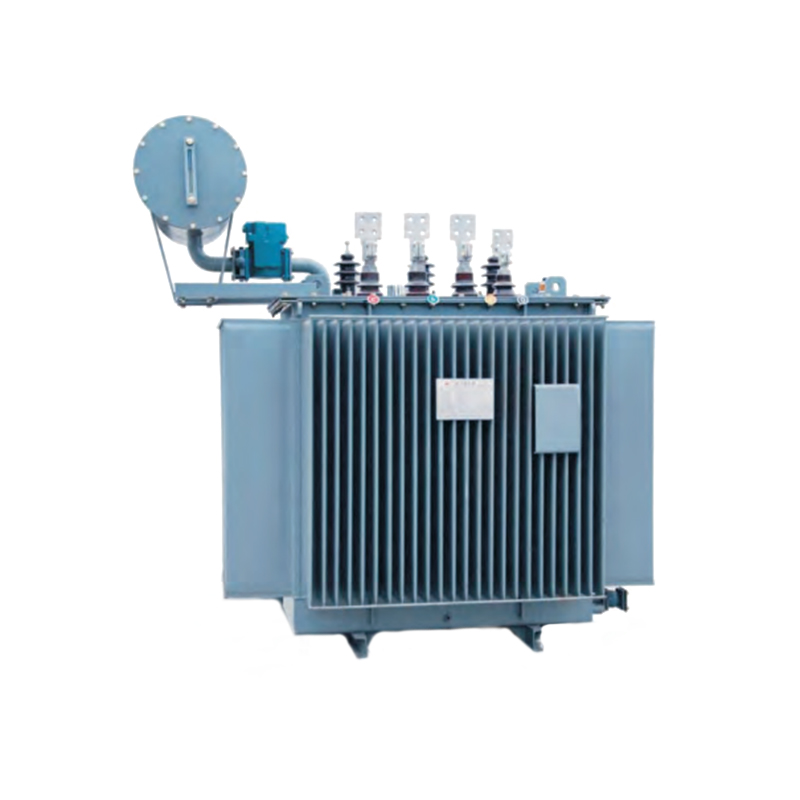
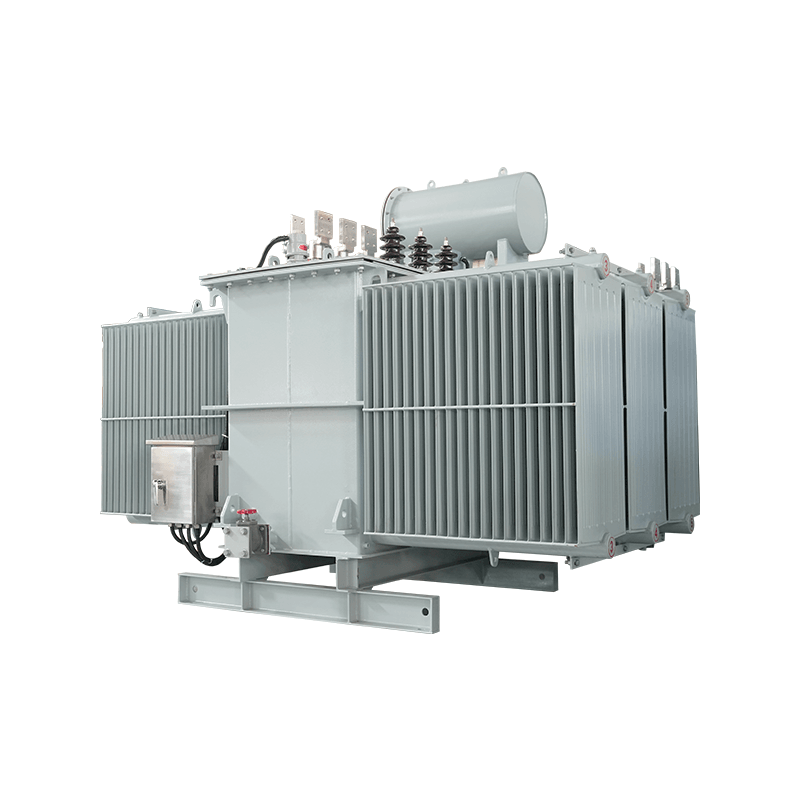
An Oil Immersed Transformer is a type of power transformer in which the core and windings are submerged in insulating mineral oil or other insulating liquids. The oil serves two primary functions:
- Electrical insulation between internal components
- Heat dissipation generated during operation
The insulating oil circulates naturally or through forced systems, transferring heat from the windings to the external cooling surfaces. This design allows the Oil Immersed Transformer to handle high voltages and heavy loads with excellent reliability.
Why Choose an Oil Immersed Transformer?
Compared with dry-type transformers, the Oil Immersed Transformer offers several advantages, particularly in large-scale and outdoor installations.
- Higher overload capacity
- Superior cooling performance
- Longer service life
- Lower initial cost per kVA
- Better performance in harsh environments
These benefits make the Oil Immersed Transformer widely used in power grids, industrial plants, mining operations, renewable energy facilities, and heavy manufacturing sectors.
Key Factors to Consider When Selecting an Oil Immersed Transformer
1. Rated Power Capacity (kVA / MVA)
The first and most critical parameter is transformer capacity. Oversizing increases capital cost, while undersizing leads to overheating and premature failure.
- Calculate maximum demand load
- Consider future expansion
- Account for load diversity factor
- Evaluate harmonic distortion impact
2. Voltage Ratings
Ensure compatibility with both primary and secondary voltage levels. The Oil Immersed Transformer must match the utility supply voltage and the required output voltage for equipment operation.
3. Cooling Method
Cooling classification affects performance and lifespan. Common cooling types include:
- ONAN (Oil Natural Air Natural)
- ONAF (Oil Natural Air Forced)
- OFAF (Oil Forced Air Forced)
- OFWF (Oil Forced Water Forced)
Selecting the appropriate cooling method ensures the Oil Immersed Transformer operates safely under varying load conditions.
4. Insulation Class and Temperature Rise
Higher insulation classes allow greater temperature tolerance. Verify allowable temperature rise based on project location and ambient conditions.
5. Environmental Conditions
Environmental factors significantly impact transformer performance:
- Altitude
- Humidity
- Ambient temperature
- Corrosive atmosphere
- Seismic considerations
Comparison: Oil Immersed Transformer vs Dry Type Transformer
| Feature | Oil Immersed Transformer | Dry Type Transformer |
|---|---|---|
| Cooling Method | Oil-based cooling | Air cooling |
| Load Capacity | Higher | Moderate |
| Installation Location | Outdoor / Substation | Indoor |
| Maintenance | Requires oil inspection | Lower maintenance |
| Cost per kVA | Lower | Higher |
| Service Life | 25–40 years | 20–30 years |
For large-scale infrastructure and industrial applications, the Oil Immersed Transformer is typically more economical and robust.
Types of Oil Immersed Transformer
Conservator Type
Equipped with an oil conservator tank to manage oil expansion and contraction. Suitable for most power distribution systems.
Sealed Type
Fully sealed structure prevents moisture contamination and reduces maintenance requirements.
Amorphous Core Transformer
Designed for higher energy efficiency with reduced no-load losses.
Installation and Maintenance Best Practices
- Ensure proper grounding
- Conduct oil dielectric strength testing
- Monitor oil level and temperature indicators
- Schedule dissolved gas analysis (DGA)
- Keep cooling radiators clean
Routine monitoring enhances the reliability of the Oil Immersed Transformer and prevents unexpected failures.
Cost Analysis and Long-Term Investment Value
Although initial purchase cost is important, evaluating total ownership cost is essential. The Oil Immersed Transformer typically offers:
- Lower operational loss
- Reduced replacement frequency
- Improved energy efficiency
- Better ROI over 20+ years
Common Applications of Oil Immersed Transformer
- Power generation plants
- Renewable energy farms (solar and wind)
- Industrial manufacturing facilities
- Mining operations
- Urban and rural substations
- Large commercial complexes
Frequently Asked Questions (FAQ)
1. How long does an Oil Immersed Transformer last?
With proper maintenance, a quality Oil Immersed Transformer can operate reliably for 25 to 40 years.
2. Is an Oil Immersed Transformer safe?
Yes. Modern designs include pressure relief devices, temperature monitoring systems, and protective relays to ensure operational safety.
3. What type of oil is used?
Common insulating liquids include mineral oil, silicone oil, and biodegradable ester fluids.
4. How often should oil testing be performed?
Annual testing is recommended, though critical installations may require more frequent inspections.
5. Can Oil Immersed Transformers be used indoors?
Yes, but proper ventilation and fire safety measures must be implemented.
Conclusion: Making the Right Decision
Selecting the appropriate Oil Immersed Transformer requires careful evaluation of technical specifications, environmental conditions, load requirements, and long-term operational goals. By considering cooling methods, insulation systems, efficiency ratings, and maintenance strategies, project owners can ensure reliable performance and cost-effective operation.
 Tel:
Tel:
 Email:
 Add:
Add:
