


 English
 русский
 Español
 عربى
عربى 中文简体
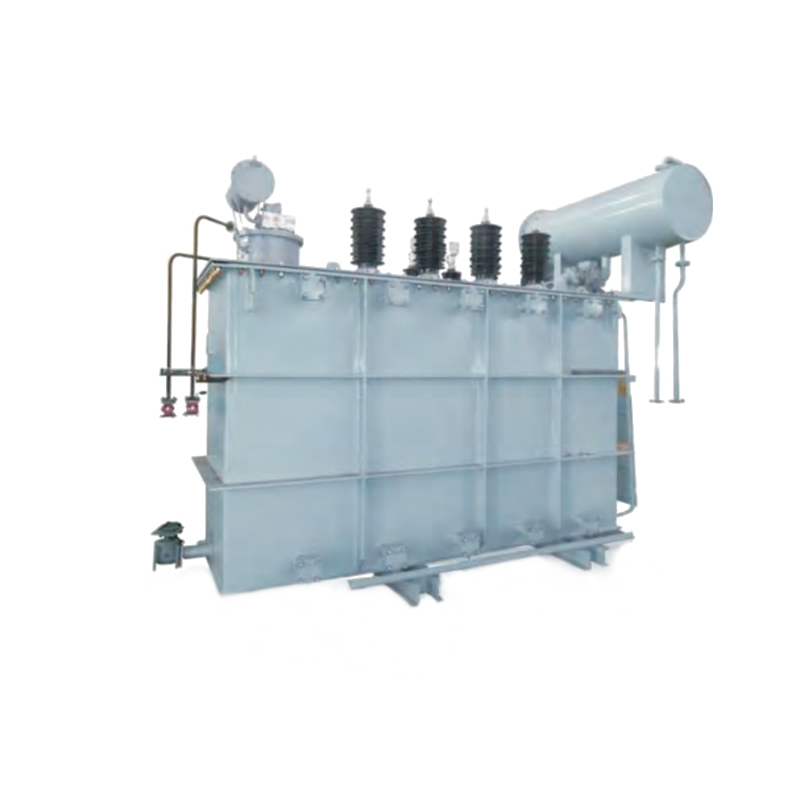
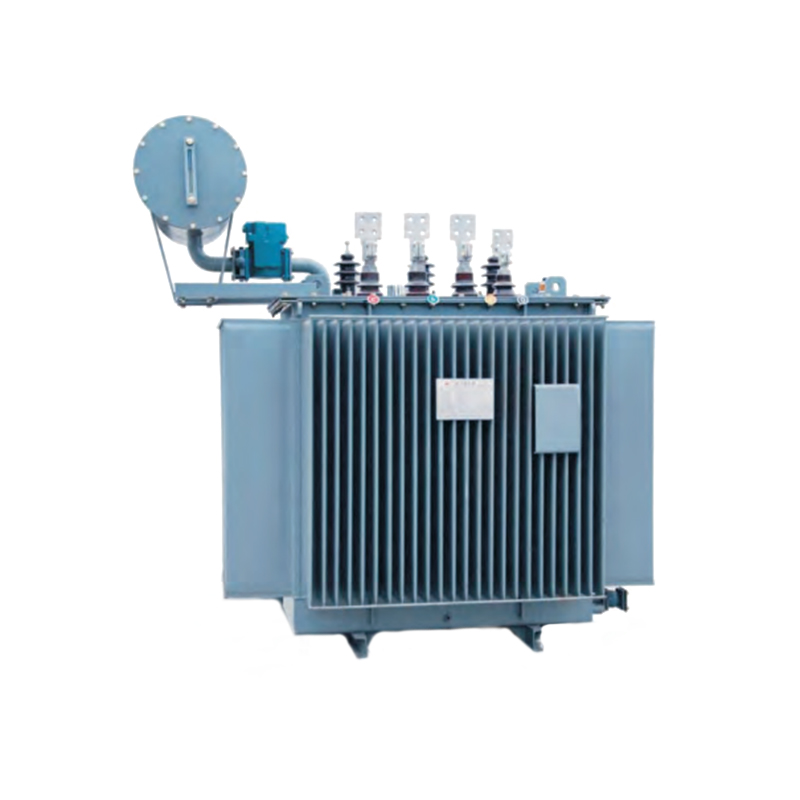
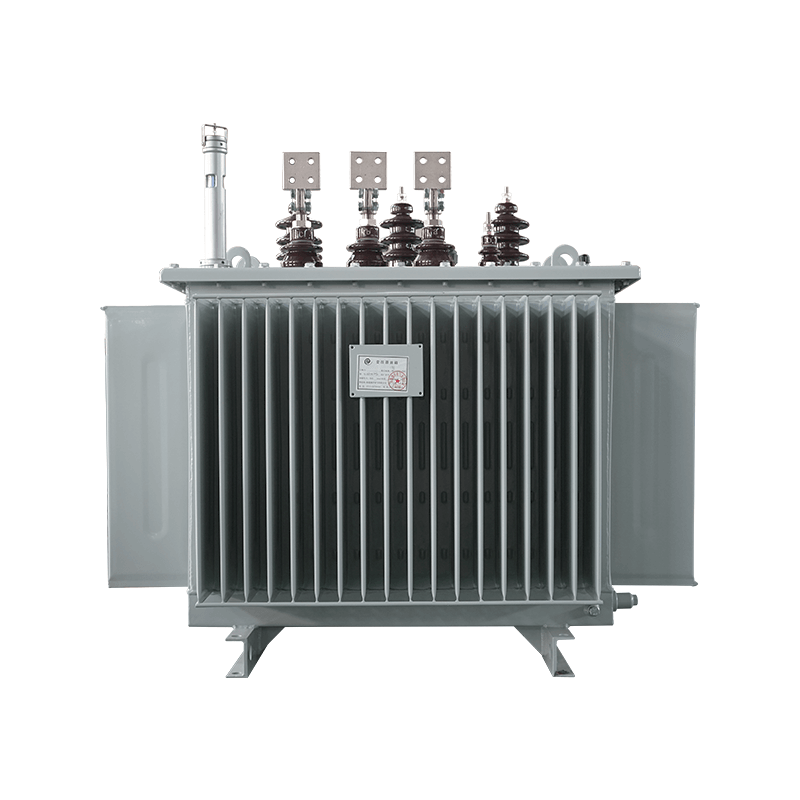
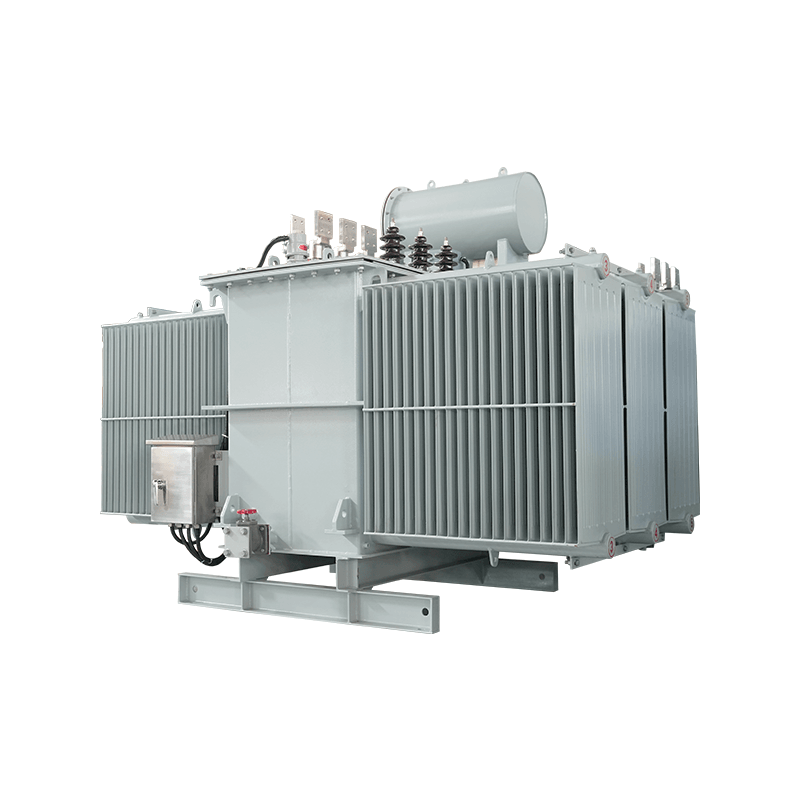
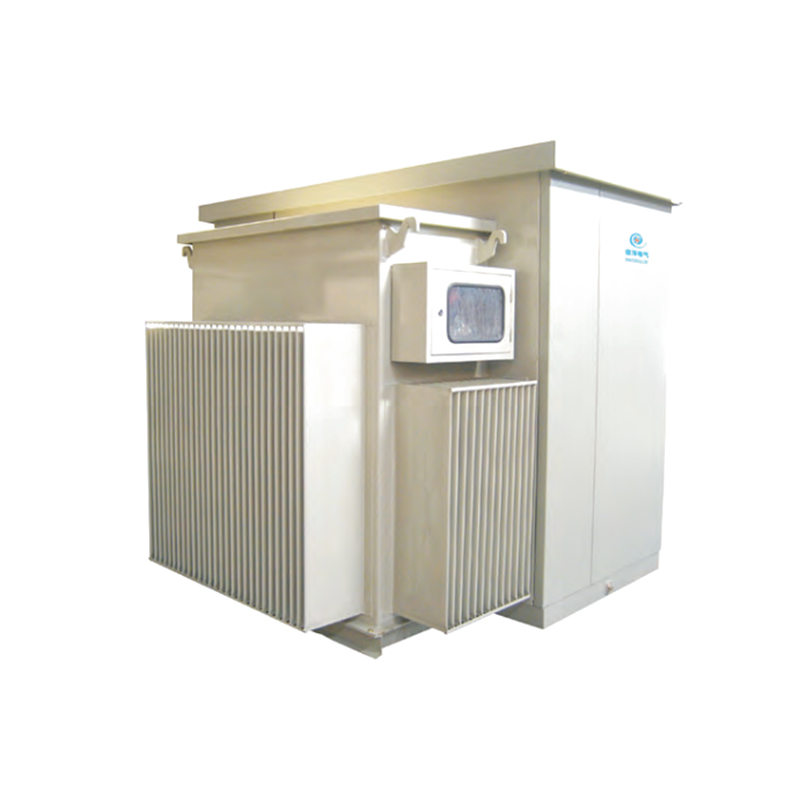
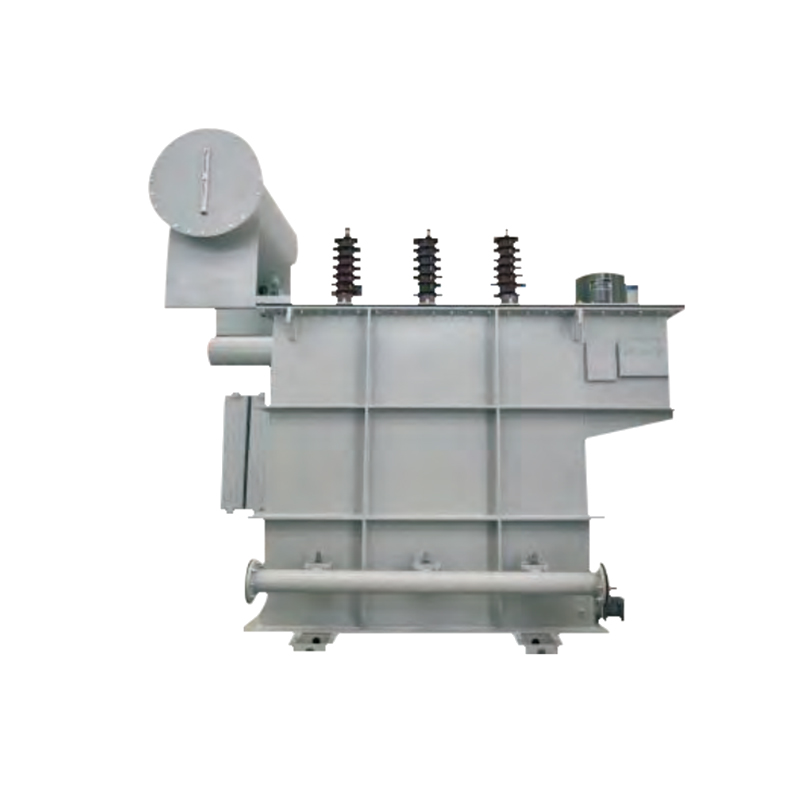
中文简体Oil-immersed transformers are widely used in power grids and substations due to their ability to efficiently transfer electrical energy while offering excellent cooling performance. These transformers are designed to be immersed in oil, which serves as both a coolant and an insulating medium. The oil helps dissipate heat generated during operation, maintaining optimal performance and preventing overheating. However, as with any electrical equipment, fire risk is a concern. The design of oil-immersed transformers addresses this risk with several advanced features.
Key Fire Risks in Oil-Immersed Transformers
Oil-immersed transformers, while efficient, pose a potential fire hazard due to the flammability of the insulating oil used. The key risks associated with these transformers include:
- Oil leakage: A rupture or crack in the transformer housing can lead to oil leakage, which may ignite if exposed to a spark or excessive heat.
- Overheating: If the transformer is not adequately cooled, the temperature of the oil can rise, increasing the likelihood of combustion.
- Electrical faults: Short circuits or faults in the transformer’s electrical components can generate sparks that may ignite the oil.
Design Features Mitigating Fire Risks
The design of modern oil-immersed transformers has evolved to minimize these risks through several safety features:
1. Fire-Resistant Oil
One of the most significant advancements in transformer design is the use of fire-resistant insulating oils. These oils are specifically formulated to have higher flash points and lower flammability than conventional oils. Fire-resistant oils, such as synthetic esters and natural esters, offer better performance in high-temperature conditions and reduce the likelihood of ignition in case of an oil leak or spill.
2. Sealed and Robust Housing
Modern oil-immersed transformers feature sealed and reinforced enclosures that prevent oil leakage and protect internal components. These housings are typically made of corrosion-resistant materials, reducing the chances of damage over time. The robust design ensures that the transformer remains intact during extreme conditions, minimizing the risk of oil spills.
3. Explosion Venting Systems
Explosion venting systems are incorporated into the design of oil-immersed transformers to safely release pressure build-up during internal faults. These systems allow for controlled venting of gases and prevent the transformer from exploding, which could result in a catastrophic fire. The vents are strategically placed to direct any escaping gases away from the transformer, reducing fire hazards.
4. Temperature and Fault Detection Systems
Advanced oil-immersed transformers are equipped with temperature and fault detection systems that monitor the operational conditions of the transformer in real-time. These systems can detect overheating, abnormal oil levels, or electrical faults and send alerts to operators. Early detection enables timely maintenance or shutdown, preventing potential fire risks from escalating.
5. Use of Fire-Resistant Materials
In addition to fire-resistant oils, many oil-immersed transformers use fire-resistant materials in their construction. Components such as bushings, gaskets, and insulation are made from materials that are less likely to catch fire. These materials not only improve the overall safety of the transformer but also extend its lifespan by reducing the risk of degradation from high temperatures.
6. Efficient Cooling Systems
A key factor in preventing fires in oil-immersed transformers is maintaining a stable operating temperature. Many transformers are designed with advanced cooling systems, such as radiators and fans, to keep the oil at an optimal temperature. Some transformers even feature automatic cooling regulation, which adjusts the cooling capacity based on the load and environmental conditions, ensuring that the transformer operates within safe temperature limits.
Comparing Fire Safety in Oil-Immersed Transformers vs. Air-Cooled Transformers
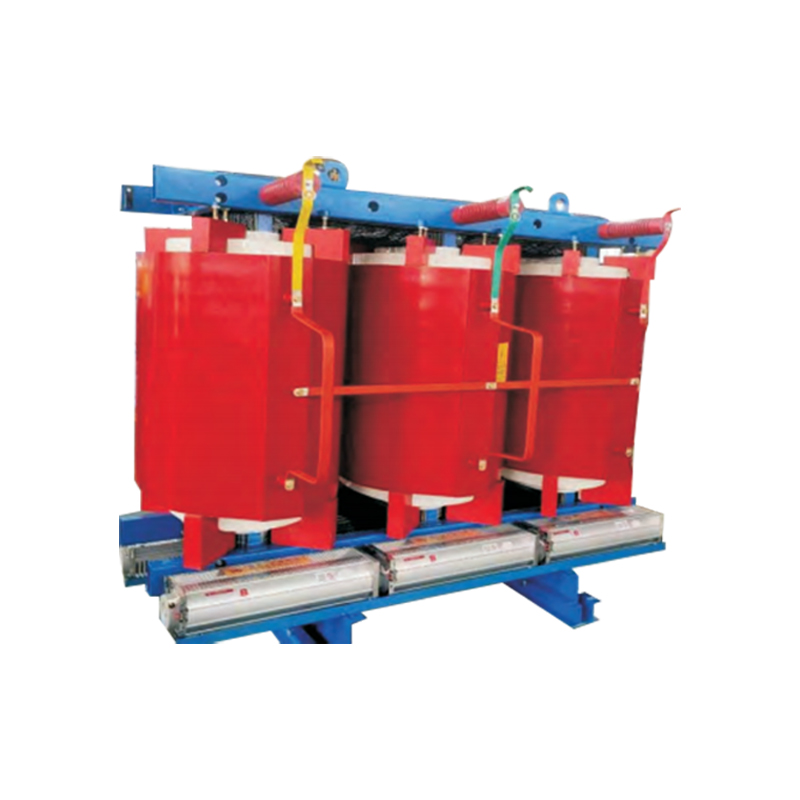
When comparing oil-immersed transformers to air-cooled transformers, it is important to consider both the efficiency and fire safety of each design. While air-cooled transformers are generally safer in terms of fire risks (since they do not use flammable oils), they are less efficient in terms of heat dissipation and may require larger sizes to handle the same load. Oil-immersed transformers, on the other hand, are more compact and efficient but require additional safety measures to mitigate fire risks.
| Feature | Oil-Immersed Transformers | Air-Cooled Transformers |
|---|---|---|
| Fire Risk | Higher risk due to flammable oil, but mitigated with advanced design features | Lower risk as they do not use flammable oil |
| Efficiency | More efficient at heat dissipation, can handle higher loads in smaller sizes | Less efficient, may require larger size for the same load |
| Cooling | Oil serves as both coolant and insulation | Relies on ambient air for cooling, may require additional fans |
FAQs
- Are oil-immersed transformers more prone to fires than other types of transformers?
Oil-immersed transformers are generally safe when designed and maintained correctly. The use of fire-resistant oils and other safety features significantly reduces the risk of fire.
- How often should the oil in an oil-immersed transformer be replaced?
The oil in an oil-immersed transformer should be tested and replaced periodically as part of regular maintenance. The frequency depends on factors such as the transformer’s age, operating conditions, and the type of oil used.
- What are the signs that an oil-immersed transformer might be at risk of catching fire?
Signs include abnormal temperature readings, oil leakage, unusual noises, or failure of cooling systems. Regular monitoring and maintenance can prevent these issues from escalating into a fire risk.
Conclusion
Oil-immersed transformers remain a critical component in power systems due to their efficiency and compact design. While they do present fire risks, these risks are significantly mitigated through advanced design features such as fire-resistant oils, sealed housings, and temperature detection systems. With proper maintenance and safety measures, oil-immersed transformers can continue to operate safely, ensuring the reliability and stability of power grids and substations.
 Tel:
Tel:
 Email:
 Add:
Add:
