


 English
 русский
 Español
 عربى
عربى 中文简体
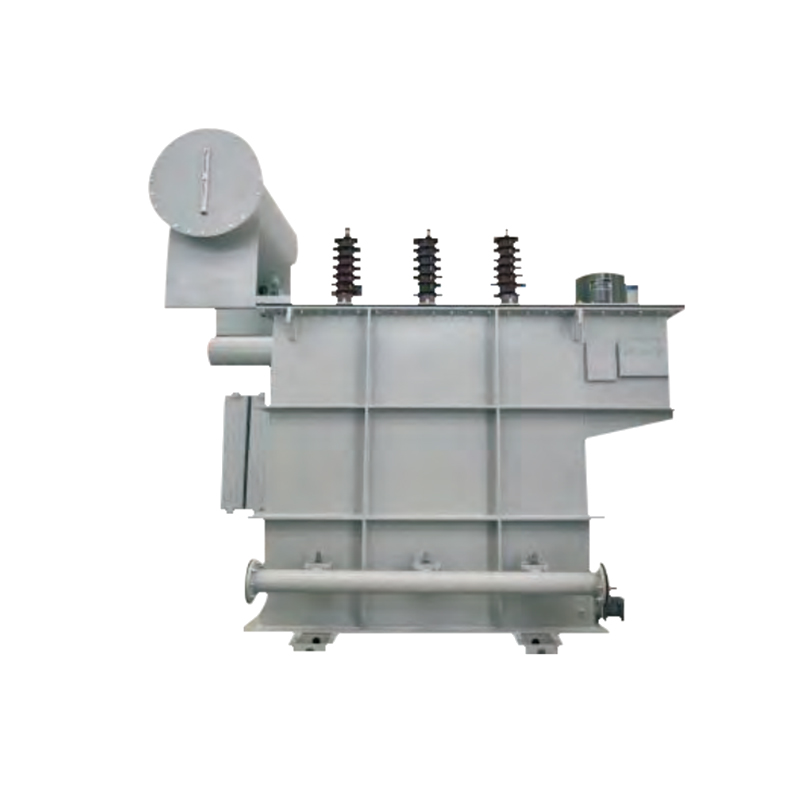
中文简体As global power demand continues to grow, the Oil Immersed Power Transformer remains a core component in modern power transmission and distribution systems. One of the most critical factors affecting its safety, efficiency, and service life is the cooling method. Selecting the right cooling system ensures stable performance, reduced failure rates, and long-term operational reliability.
This article explores the main cooling methods available for Oil Immersed Power Transformers, their advantages, applications, and how to choose the most suitable solution.
Why Cooling Is Essential for Oil Immersed Power Transformers
During operation, an Oil Immersed Power Transformer generates heat from copper losses (winding resistance) and core losses. If this heat is not effectively dissipated, excessive temperature rise can lead to:
- Accelerated insulation aging
- Reduced transformer efficiency
- Higher risk of breakdown or fire
- Shortened service life
Therefore, an efficient cooling system is not optional—it is a fundamental design element.
Common Cooling Methods for Oil Immersed Power Transformer
1. ONAN (Oil Natural Air Natural)
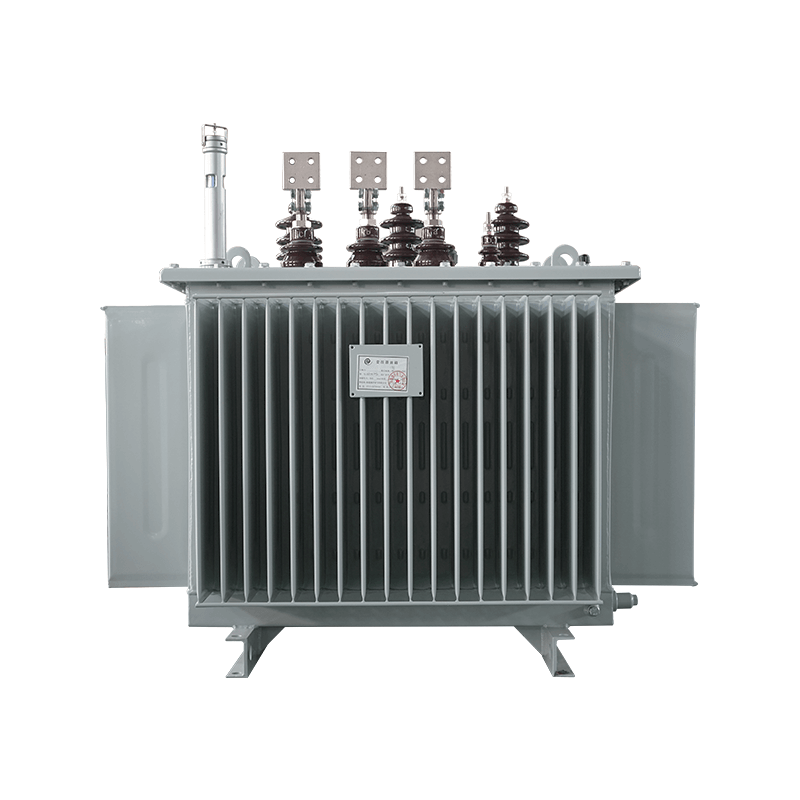
ONAN is the most basic and widely used cooling method for small- and medium-capacity Oil Immersed Power Transformers.
- Oil circulation: Natural convection
- Air cooling: Natural airflow around radiators
- No pumps or fans required
Advantages:
- Low operating cost
- Simple structure
- High reliability
- Minimal maintenance
Typical Applications: Distribution transformers, substations in rural or low-load areas.
2. ONAF (Oil Natural Air Forced)
In the ONAF cooling mode, oil still circulates naturally inside the transformer, but external fans are added to improve heat dissipation.
- Oil circulation: Natural
- Air cooling: Forced by fans
Advantages:
- Higher cooling efficiency than ONAN
- Supports higher transformer loading
- Flexible capacity upgrade by turning fans on or off
Typical Applications: Medium-capacity substations, industrial power systems.
3. OFAF (Oil Forced Air Forced)
In OFAF systems, both oil circulation and air cooling are forced using oil pumps and external fans.
- Oil circulation: Forced by pumps
- Air cooling: Forced by fans
Advantages:
- Excellent temperature control
- High overload capability
- Suitable for large transformer capacities
Typical Applications: Power plants, heavy industrial environments, high-voltage transmission networks.
4. OFWF (Oil Forced Water Forced)
The OFWF cooling method uses water instead of air as the cooling medium through heat exchangers.
- Oil circulation: Forced
- Cooling medium: Water
Advantages:
- Extremely high cooling efficiency
- Compact cooling system
- Stable performance in hot climates
Typical Applications: Large power stations, underground substations, areas with space limitations.
Key Factors When Choosing a Cooling Method
When selecting the appropriate cooling system for an Oil Immersed Power Transformer, engineers typically consider the following:
- Transformer capacity and voltage level
- Ambient temperature and climate conditions
- Installation environment (indoor, outdoor, underground)
- Maintenance accessibility
- Energy efficiency requirements
- Investment and operating costs
Market Trends in Transformer Cooling Technology
With the rise of smart grids and renewable energy projects, cooling systems for Oil Immersed Power Transformers are becoming more intelligent and energy-efficient. Modern innovations include:
- Smart temperature monitoring systems
- Automated fan and pump control
- Eco-friendly insulating oils
- Compact and modular cooling units
These advancements help operators reduce energy consumption while enhancing system reliability.
FAQ: Frequently Asked Questions
Q1: Which cooling method is best for small Oil Immersed Power Transformers?
ONAN is usually the best choice for small transformers due to its low cost, simple structure, and high reliability.
Q2: Can one Oil Immersed Power Transformer use multiple cooling modes?
Yes. Many transformers are designed with ONAN/ONAF dual-mode operation, allowing operators to switch on fans when higher loads are required.
Q3: Is water cooling safe for transformers?
Yes, when properly designed and maintained, OFWF systems are very safe and offer superior cooling efficiency. However, they require strict leakage control.
Q4: How does cooling affect transformer lifespan?
Effective cooling significantly reduces insulation aging and thermal stress, which can extend the service life of an Oil Immersed Power Transformer by many years.
Conclusion
The cooling method plays a decisive role in the performance and longevity of an Oil Immersed Power Transformer. From natural air cooling (ONAN) to high-efficiency water cooling (OFWF), each solution serves specific operating conditions and capacity levels.
As power systems evolve toward higher efficiency and intelligence, cooling technologies will continue to advance, ensuring safer and more reliable transformer operation worldwide.
 Tel:
Tel:
 Email:
 Add:
Add:
