


 English
 русский
 Español
 عربى
عربى 中文简体
中文简体In the global power distribution market, choosing the right transformer is essential for safety, efficiency, and long-term reliability. Among the most widely used options, the Oil Immersed Power Transformer and the dry-type transformer represent two fundamentally different design philosophies. Understanding their core differences helps industries, utilities, and commercial facilities select the best solution for their operational needs.
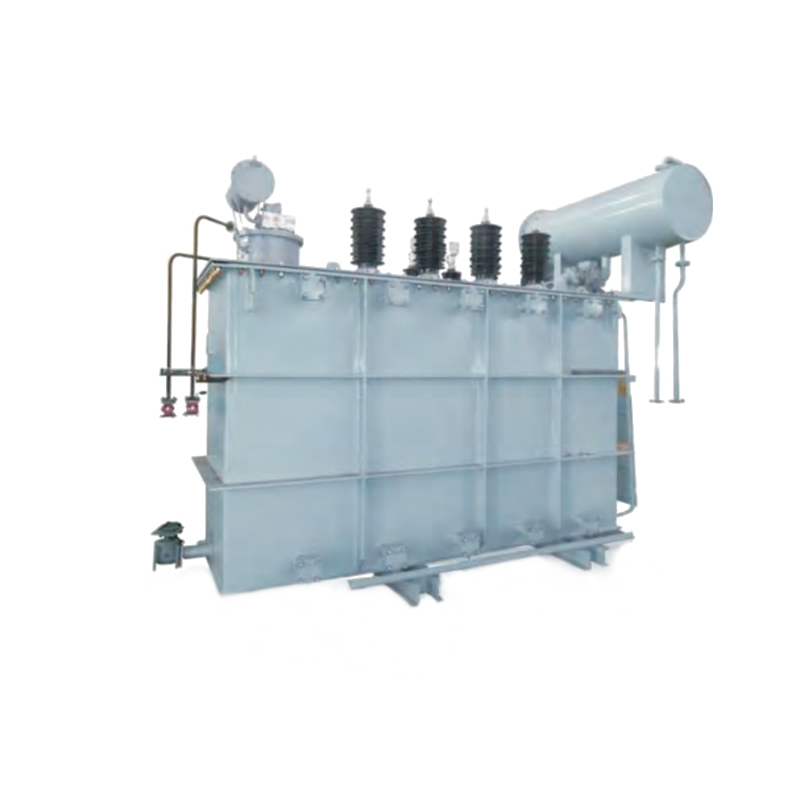
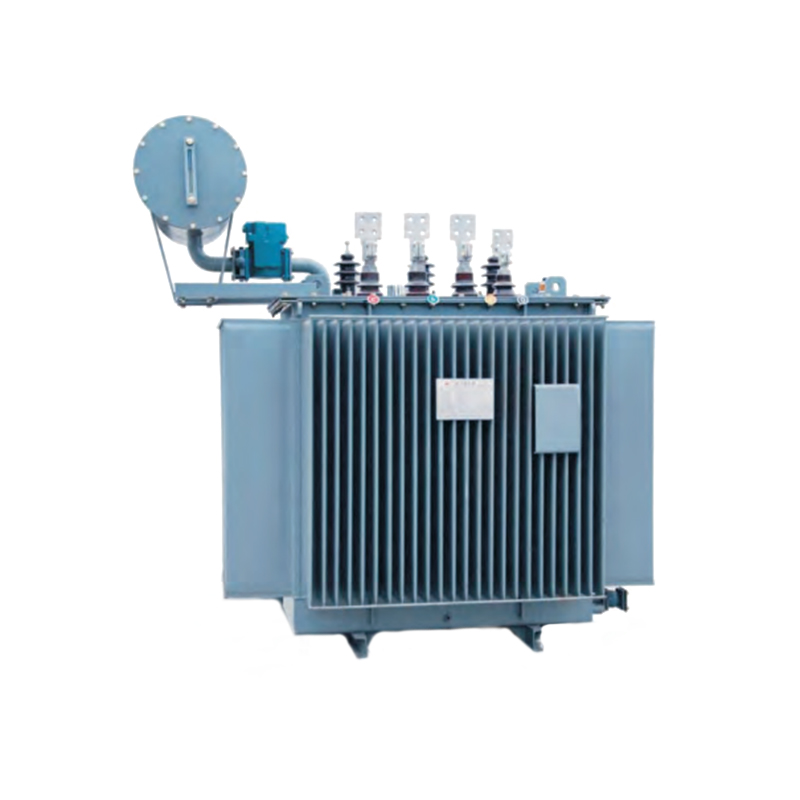
How Oil Immersed Power Transformers Work
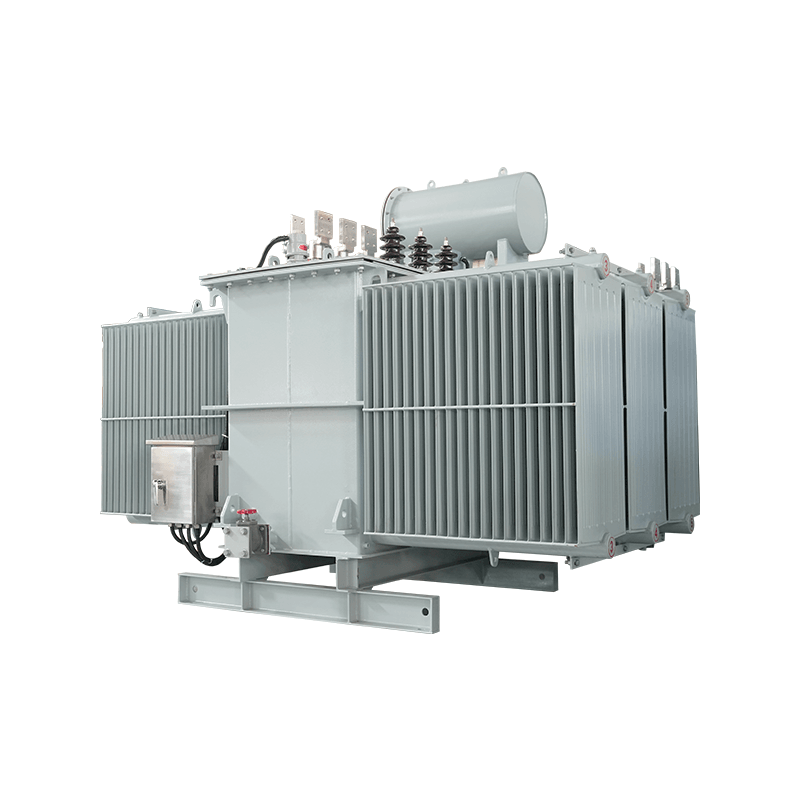
An Oil Immersed Power Transformer uses high-insulation mineral oil or synthetic oil to cool and insulate the transformer’s internal windings. The oil circulates naturally or through pumps, carrying heat to the radiator for efficient dissipation. This design allows the transformer to handle high loads and maintain stable performance.
Main Features
- High cooling efficiency through oil circulation
- Excellent insulation performance
- Strong overload capacity
- Better suited for outdoor or heavy-duty environments
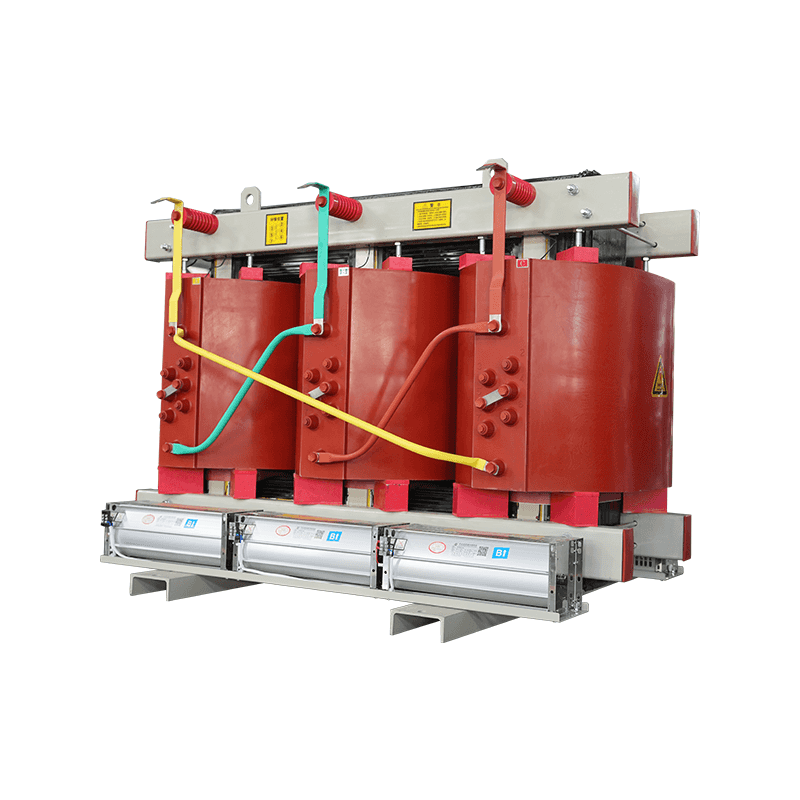
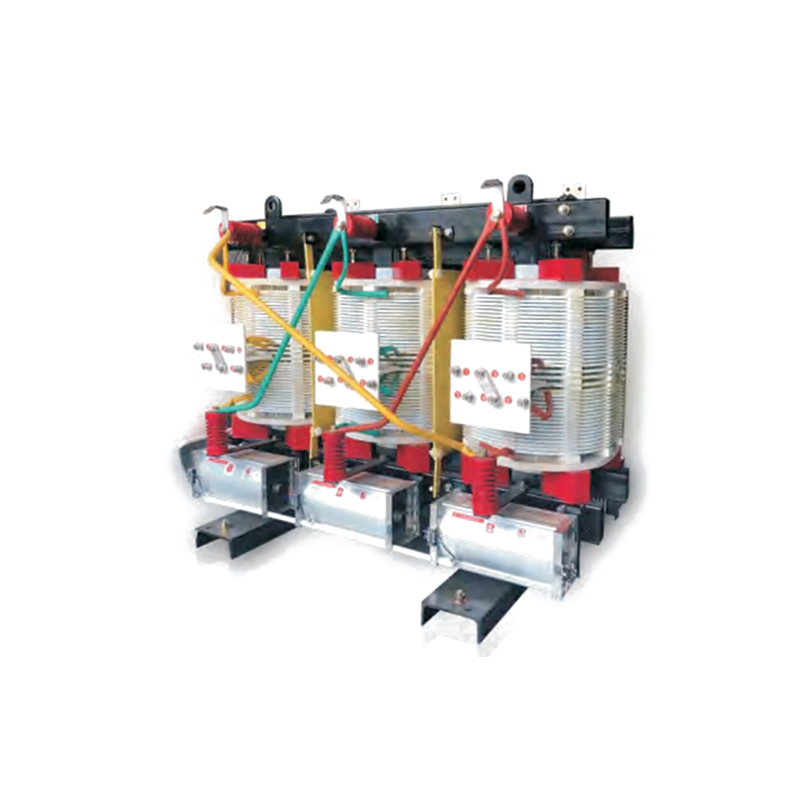
What Is a Dry-Type Transformer?
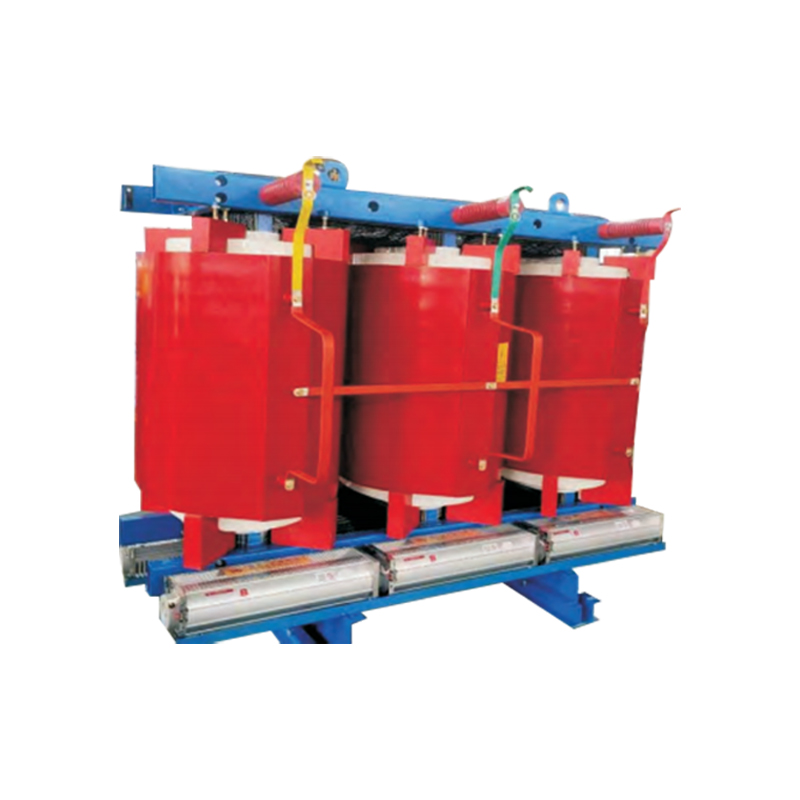
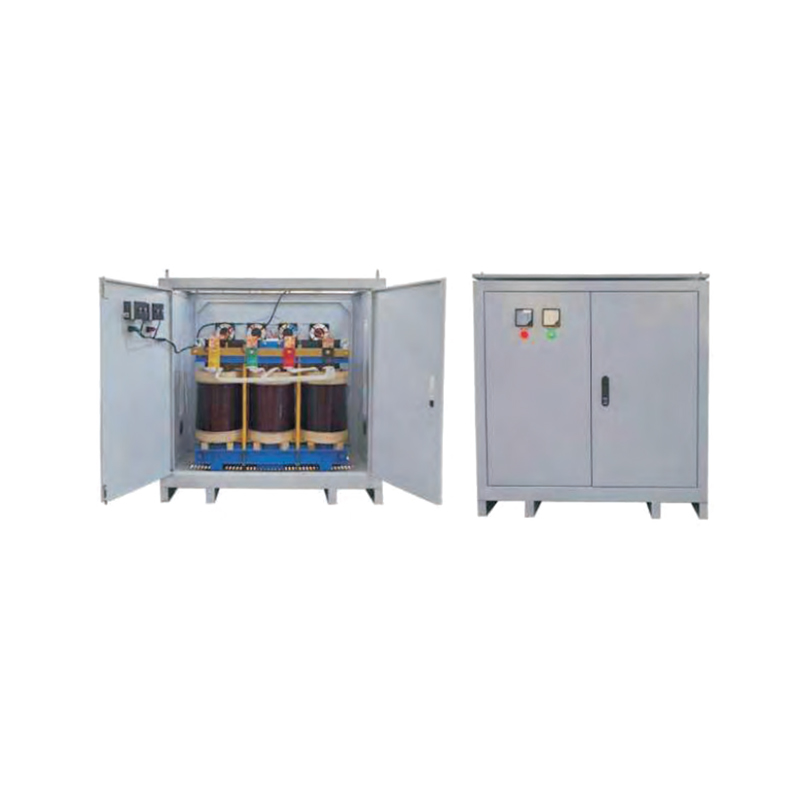
Dry-type transformers use air or epoxy resin for insulation and cooling. Because no oil is involved, they are safer for indoor applications and environments with strict fire-safety regulations. However, they typically support lower load capacities compared to oil-filled models.
Main Features
- Uses air or resin for cooling and insulation
- Ideal for indoor installations
- Low fire risk and environmentally friendly
- Generally lower maintenance requirements
Core Differences Between Oil Immersed and Dry-Type Transformers
1. Cooling & Insulation Method
- Oil Immersed Power Transformer: Uses oil for cooling and insulation, offering superior heat dissipation.
- Dry-Type Transformer: Uses air or epoxy resin, making it suitable for indoor safety requirements.
2. Installation Environment
- Oil-immersed: Best for outdoor, high-load, and industrial sites.
- Dry-type: Preferred in commercial buildings, hospitals, tunnels, and high-rise facilities.
3. Load Capacity & Performance
- Oil Immersed Power Transformer: Higher overload capability and long-term stability.
- Dry-type: More suitable for moderate load conditions.
4. Safety Considerations
- Oil-immersed: Risk of oil leakage or fire if not maintained properly.
- Dry-type: Excellent fire safety performance due to no oil usage.
5. Maintenance Requirements
- Oil-immersed: Requires periodic oil testing, sealing checks, and thermal monitoring.
- Dry-type: Minimal maintenance as no oil treatment is needed.
Which Transformer Should You Choose?
Your choice depends on operational needs, installation environment, and safety requirements. If you need high performance and long-term reliability in heavy-duty or outdoor environments, the Oil Immersed Power Transformer is typically the best choice. For indoor applications with strict fire safety standards, dry-type transformers offer superior convenience and security.
FAQ: Oil Immersed Power Transformer vs Dry-Type Transformer
1. Which transformer has a longer lifespan?
Oil-immersed transformers generally last longer due to better cooling and stable operating conditions.
2. Are dry-type transformers safer?
Yes. Since they contain no oil, they have a lower fire risk and are suitable for enclosed spaces.
3. Which one is more energy-efficient?
Oil-immersed transformers typically operate more efficiently, especially under high load conditions.
4. Do oil-immersed transformers require more maintenance?
Yes. Oil analysis and leak inspections are needed over time, while dry-type units require minimal routine maintenance.
5. Which is more cost-effective?
Oil-immersed units are usually cheaper for large-capacity applications, while dry-type units may cost more initially but save on indoor safety infrastructure.
 Tel:
Tel:
 Email:
 Add:
Add:
