


 English
 русский
 Español
 عربى
عربى 中文简体
中文简体- What Is an Oil Immersed Transformer?
- Why Cooling Is Critical in Transformers
- How the Cooling System in an Oil Immersed Transformer Works
- Cooling System Comparison: Oil Immersed vs Dry-Type Transformers
- Advantages of Oil-Based Cooling Systems
- Common Applications
- Frequently Asked Questions (FAQ)
- Future Trends in Transformer Cooling
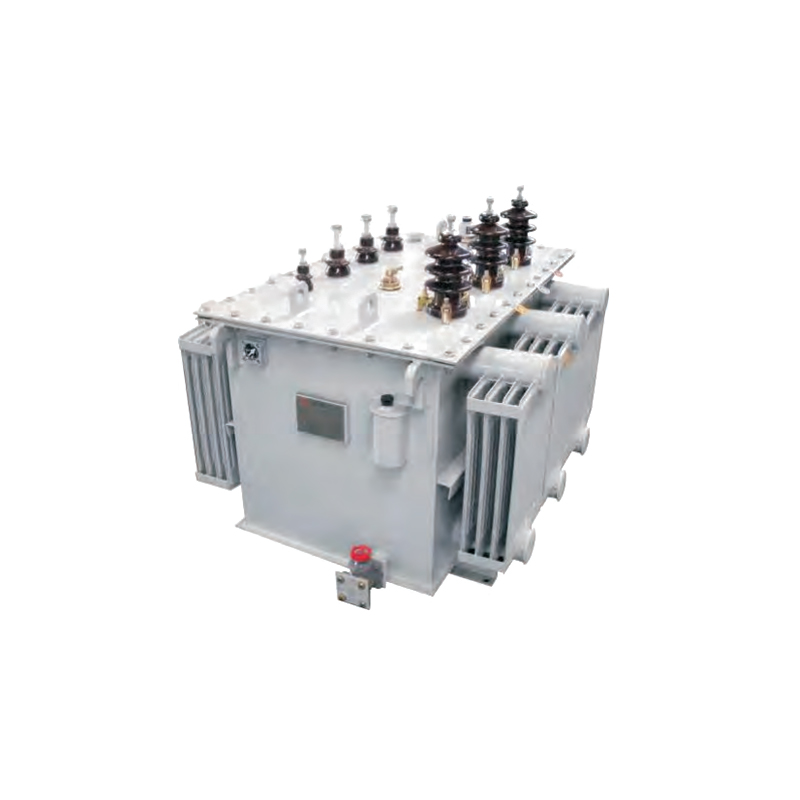
Efficient heat dissipation is critical to the safe and stable operation of electrical equipment. Among various power distribution solutions, the Oil immersed Transformer remains one of the most widely used designs due to its excellent cooling performance, insulation reliability, and long service life.
What Is an Oil Immersed Transformer?
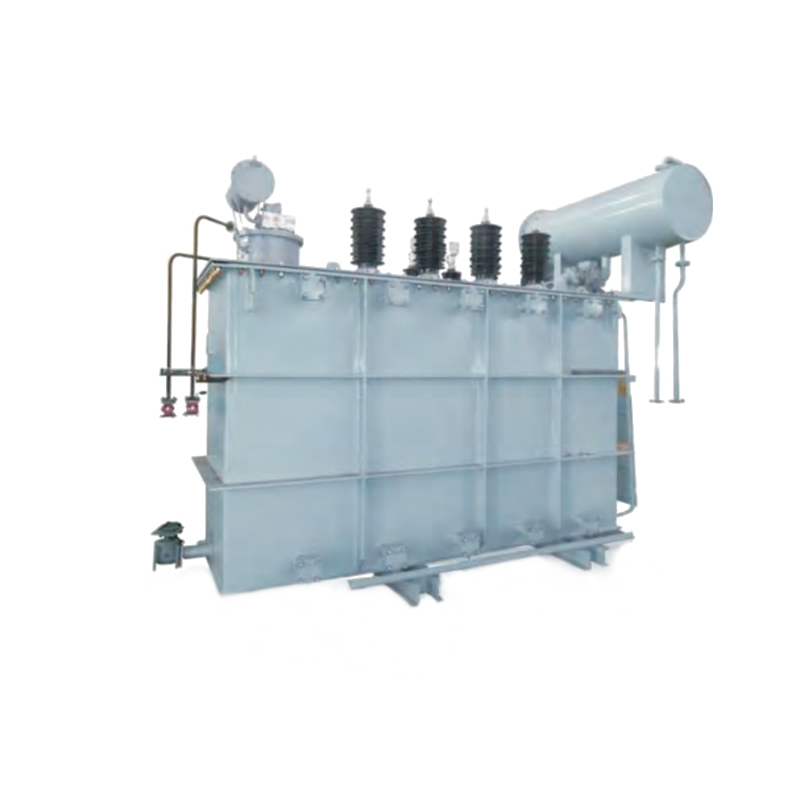
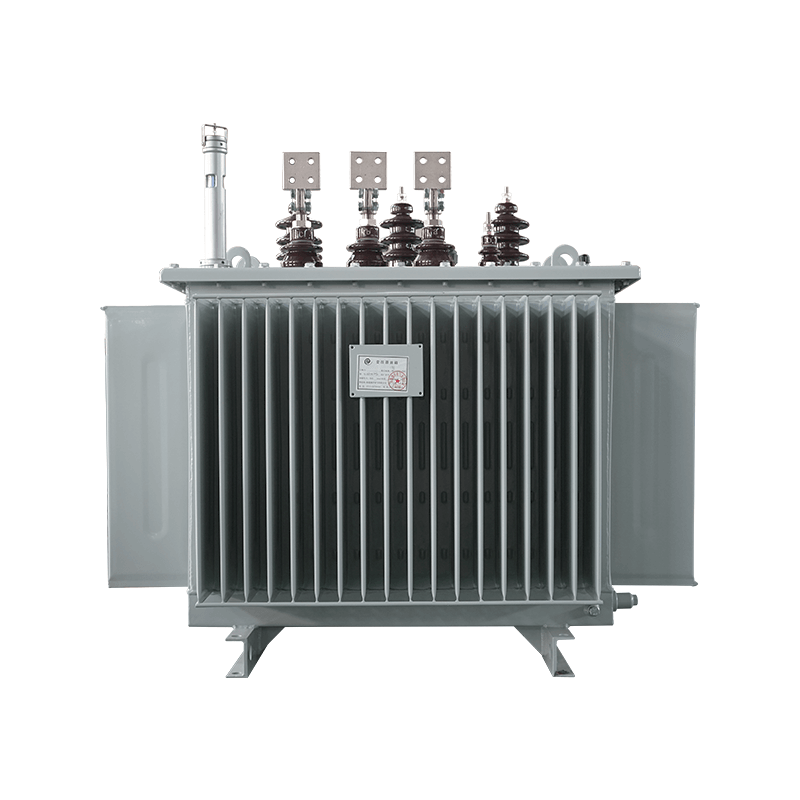
An Oil immersed Transformer is a type of transformer in which the core and windings are completely submerged in insulating oil. This oil serves two essential purposes:
- Electrical insulation between internal components
- Heat transfer from the windings and core to the external environment
Compared with dry-type transformers, oil immersed designs are better suited for high-capacity, high-voltage, and outdoor applications.
Why Cooling Is Critical in Transformers
During normal operation, transformers generate heat due to:
- Core losses caused by magnetic flux
- Copper losses from current flowing through windings
If this heat is not effectively removed, it can accelerate insulation aging, reduce efficiency, and even lead to equipment failure. This makes the cooling system a core component of transformer design.
How the Cooling System in an Oil Immersed Transformer Works
1. Heat Generation Inside the Transformer
When electrical current passes through the windings, resistive losses generate heat. At the same time, alternating magnetic fields in the core cause hysteresis and eddy current losses. These heat sources are concentrated in the core and windings.
2. Heat Absorption by Transformer Oil
The insulating oil surrounding the core and windings absorbs heat directly from these components. Transformer oil has excellent thermal conductivity and high specific heat capacity, making it ideal for heat absorption.
As the oil heats up, its density decreases, causing it to rise naturally within the tank.
3. Natural Oil Circulation (Convection)
Most standard Oil immersed Transformer designs rely on natural convection for cooling:
- Hot oil rises to the top of the transformer tank
- Cooler oil descends to replace it
- This continuous circulation transfers heat away from critical components
This process requires no external power and offers high reliability.
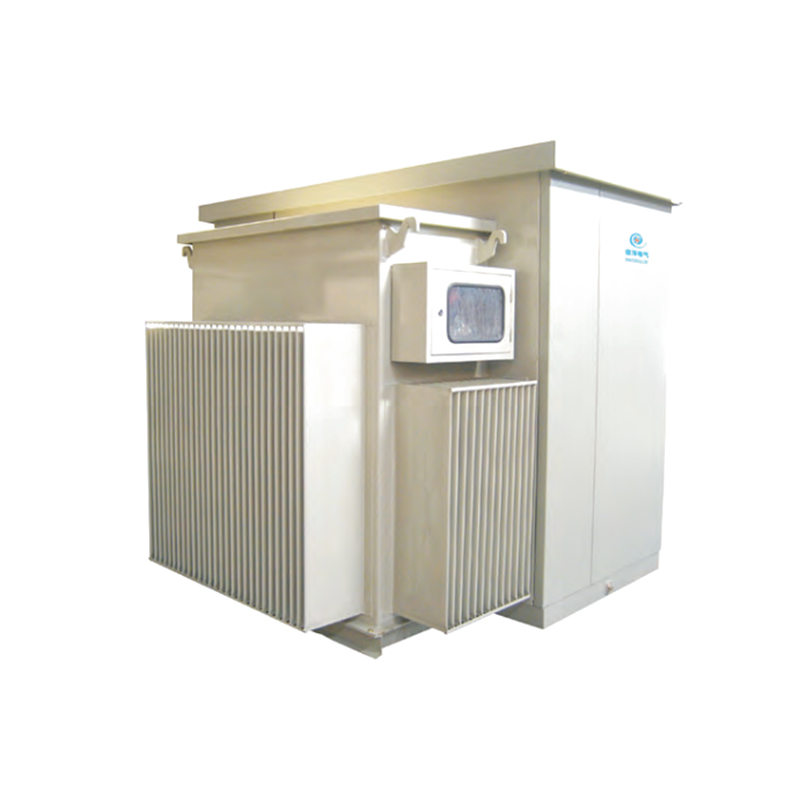
4. Heat Dissipation Through Radiators or Cooling Fins
Once the hot oil reaches the upper part of the tank, heat is transferred to:
- Radiator panels
- Cooling fins
- Corrugated tank walls
These structures increase the surface area, allowing heat to dissipate into the surrounding air through natural convection and radiation.
5. Enhanced Cooling Methods for Higher Ratings
For larger or higher-capacity transformers, additional cooling methods may be used:
- ONAN (Oil Natural Air Natural)
- ONAF (Oil Natural Air Forced, using fans)
- OFAF (Oil Forced Air Forced, using oil pumps and fans)
These configurations improve cooling efficiency and allow the transformer to handle higher loads.
Cooling System Comparison: Oil Immersed vs Dry-Type Transformers
| Aspect | Oil Immersed Transformer | Dry-Type Transformer |
|---|---|---|
| Cooling Medium | Insulating oil | Air or resin |
| Heat Dissipation Efficiency | High | Moderate |
| Capacity Range | Medium to very high | Low to medium |
| Outdoor Suitability | Excellent | Limited |
| Maintenance Needs | Oil testing and monitoring | Minimal |
Advantages of Oil-Based Cooling Systems
- Superior thermal performance for high-load applications
- Extended insulation life due to stable operating temperatures
- High reliability with simple natural circulation
- Cost-effective for large-scale power distribution
Common Applications
Thanks to their effective cooling systems, Oil immersed Transformers are widely used in:
- Power generation plants
- Electrical substations
- Industrial facilities
- Renewable energy systems
- Outdoor distribution networks
Frequently Asked Questions (FAQ)
Why is oil better than air for transformer cooling?
Oil has a higher heat transfer capability than air and can directly contact hot components, allowing faster and more uniform heat removal.
Does transformer oil only cool, or does it serve other purposes?
Transformer oil provides both cooling and electrical insulation, helping prevent internal short circuits and partial discharges.
Is natural cooling sufficient for all oil immersed transformers?
Natural cooling works well for small to medium ratings. High-capacity units often require forced air or forced oil circulation.
How does cooling affect transformer lifespan?
Effective cooling reduces thermal stress on insulation materials, significantly extending the operational life of the transformer.
Is oil immersed cooling safe for outdoor use?
Yes. Properly sealed tanks, high-quality oil, and pressure relief systems make oil immersed transformers reliable and safe for outdoor installations.
Future Trends in Transformer Cooling
Modern developments focus on:
- Environmentally friendly biodegradable insulating oils
- Smart temperature monitoring systems
- Improved radiator designs for higher efficiency
These innovations continue to enhance the performance and sustainability of the Oil immersed Transformer cooling system while meeting evolving energy demands.
 Tel:
Tel:
 Email:
 Add:
Add:
